By Verona Ceramic Editorial Team · Updated 2026-07-25
Zero-silica engineered stone eliminates crystalline silica entirely, removing the respirable dust hazard linked to silicosis that led to the July 1, 2024 engineered stone ban across Australian jurisdictions. Fabricators and installers avoid regulated silica exposure altogether, while homeowners gain a durable, non-porous surface resistant to staining and scratching. This makes it a compliant, future-proof choice for kitchen and bathroom benchtops.
Is Zero-Silica Stone Really Safer?
Yes — zero silica stone removes the specific hazard that led regulators to act. Australia’s engineered stone ban, effective nationwide, targets materials containing at least 1% crystalline silica by weight, a substance linked to silicosis among fabrication workers. Surfaces manufactured without added crystalline silica address benchtop safety at the production stage, but workplace controls remain essential.
What makes non-silica engineered stone different from traditional quartz?
Non silica engineered stone replaces the crystalline silica component found in conventional quartz composites with alternative binders and fillers. This formulation change targets the dust generated during cutting, grinding, and polishing — the exact process the 2024 ban restricts. The result is a surface built for the same aesthetic performance without the ingredient regulators identified as hazardous.
How can homeowners verify a surface is genuinely safer?
Verification starts with documentation, not marketing claims. Homeowners, designers, and fabricators evaluating countertop materials should request:
- Written confirmation of silica content from the supplier
- Material data sheets covering composition and processing guidance
- Finish and care specifications appropriate to the intended installation
Verona Ceramic’s zero silica benchtop guidance walks Melbourne renovators through these exact considerations. Materials, finishes, care, and cost — before a surface decision is finalized. cite-1 That guidance sits within a broader Flooring Clearance: Flooring and Surface Materials (tiles, Engineered, spanning European Oak flooring, engineered timber, luxury tiles, and next-generation engineered stone, where safety remains a core selection criterion alongside durability and design.
What Benefits Does Non-Silica Stone Offer?
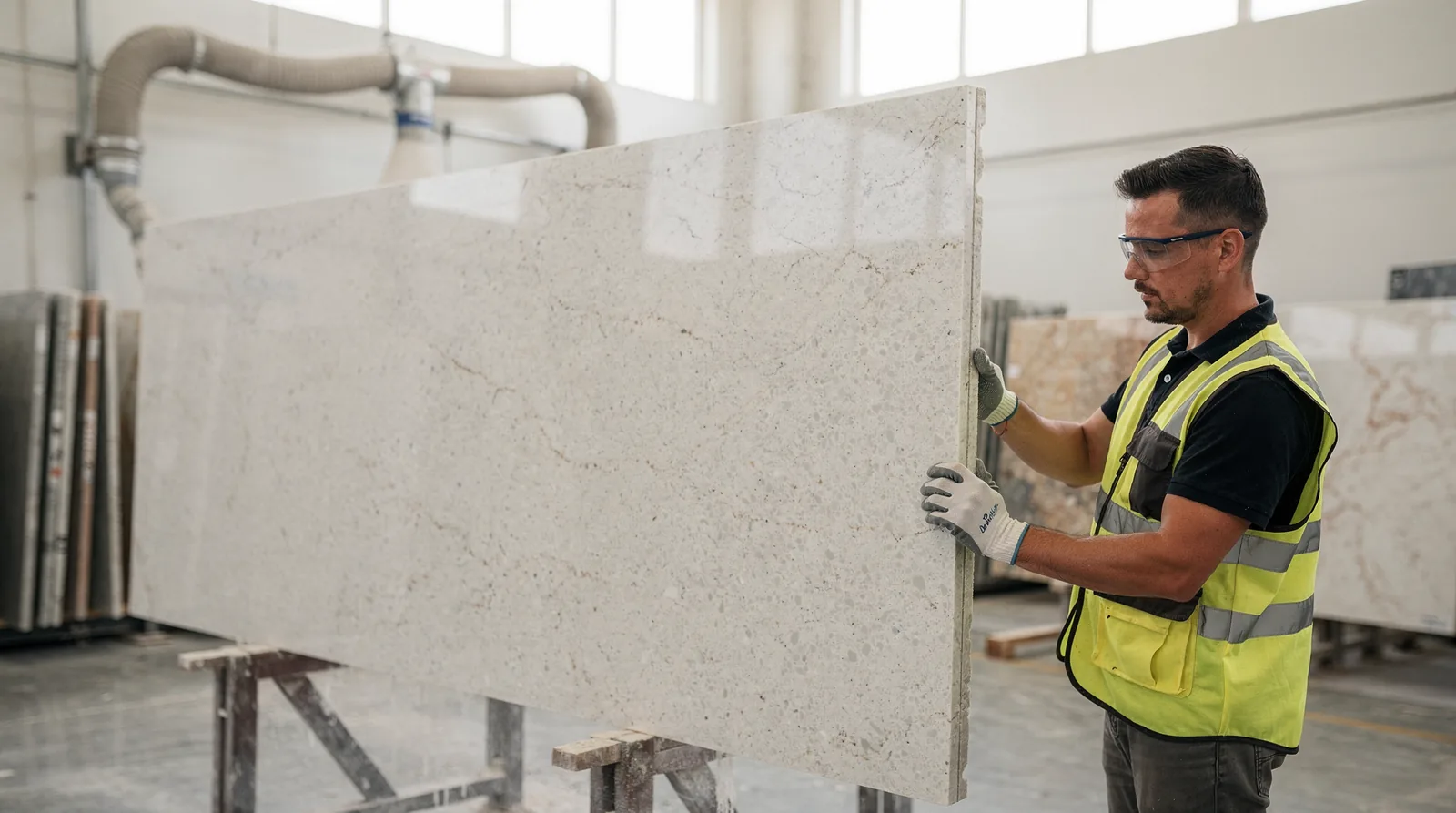
Non silica engineered stone cuts health risks tied to conventional stone products while matching them in performance and design range. Fabricators and homeowners gain a surface that protects installation crews without sacrificing the polished look expected in modern kitchens and baths. That combination of safety and style sets a new baseline for benchtop specification.
Zero silica stone from Verona Ceramic pairs eco-friendly manufacturing with everyday practicality, built specifically for high-end benchtops and splashbacks. The result holds up to daily wear while keeping timeless aesthetics intact, something budget alternatives rarely deliver together.
Why does benchtop safety matter for renovation projects?
Benchtop safety shapes long-term outcomes for anyone specifying stone surfaces, not just the installers cutting and polishing them. Reduced health risk during processing means fewer compliance headaches for contractors and fabricators managing workplace exposure standards. Homeowners benefit indirectly too, since safer production methods often signal tighter quality control across the finished slab.
How does this stone fit a broader renovation plan?
Zero silica stone doesn’t stand alone in Verona Ceramic’s catalog. Renovators can coordinate it with:
- Premium European Oak flooring
- Engineered timber flooring
- Luxury tiles
- Next-generation engineered stone surfaces
This range lets designers build one cohesive, durable material palette across floors, benchtops, and splashbacks instead of sourcing from multiple suppliers.
How Do You Verify Benchtop Safety Before Buying?
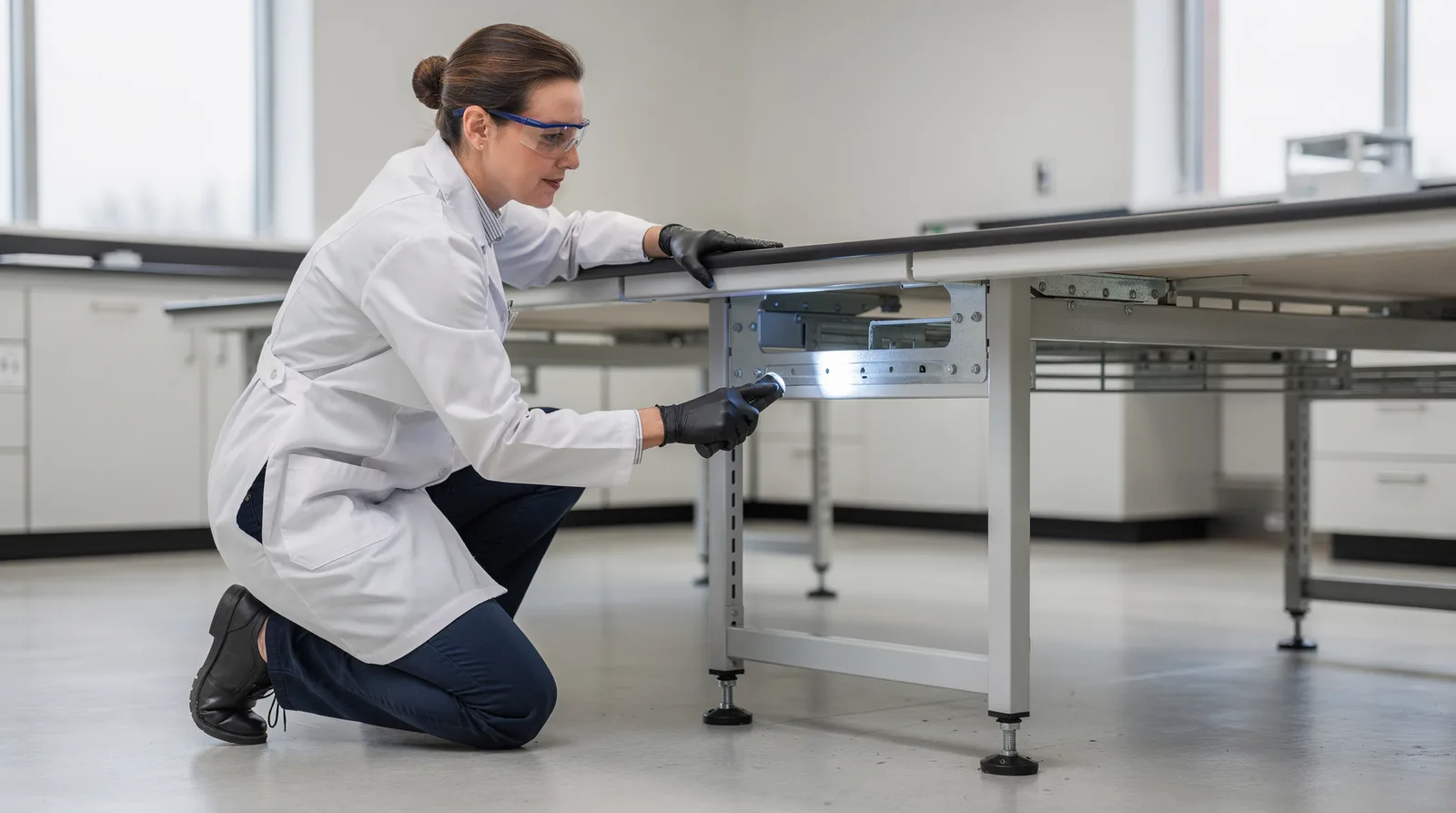
Verification starts with a compliance check, not a color swatch. Since July 1, 2024, Australian law makes it an offense to manufacture, supply, process, or install engineered stone containing at least 1% crystalline silica. That single regulatory line separates compliant surfaces from products no fabricator can legally touch.
Zero silica stone removes that risk entirely, since it contains no added crystalline silica during manufacture. Buyers confirming benchtop safety should request documentation proving silica content, not just a verbal assurance from a showroom rep.
What should a buyer’s checklist include?
A practical checklist covers four areas: material composition, surface finish, ongoing care requirements, and total cost across the project. Verona Ceramic’s benchtop guidance walks Melbourne renovators through each category before they commit to a slab. Asking pointed questions in every category catches gaps a glossy brochure won’t reveal.
Does supply reliability affect safety verification?
Supply reliability matters more than most renovators assume. A non silica engineered stone range only protects a project if the material actually arrives on schedule and matches spec. Verona Ceramic supports its zero-silica benchtop range with fast, reliable delivery nationwide, giving trades and homeowners a verified, ready source rather than a gamble on availability.