A renovation can be held up by one small detail: a tile that looks perfect in a sample but will not arrive for weeks. For homeowners, builders and tilers working to a real schedule, ready stock tiles Springvale provides a more practical starting point. You can view the surface in person, confirm availability before committing, and move from design decision to installation with greater confidence.
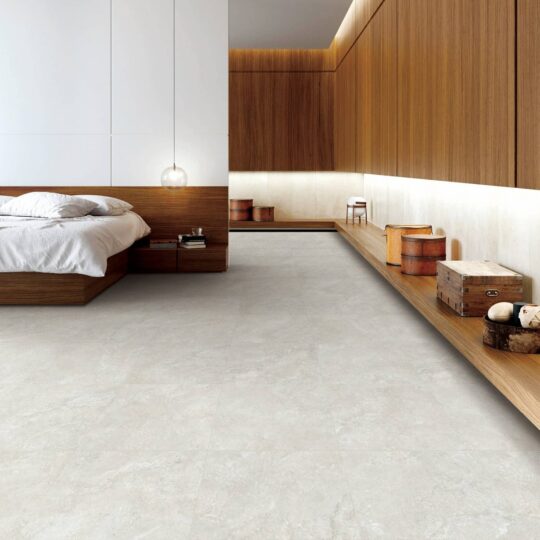
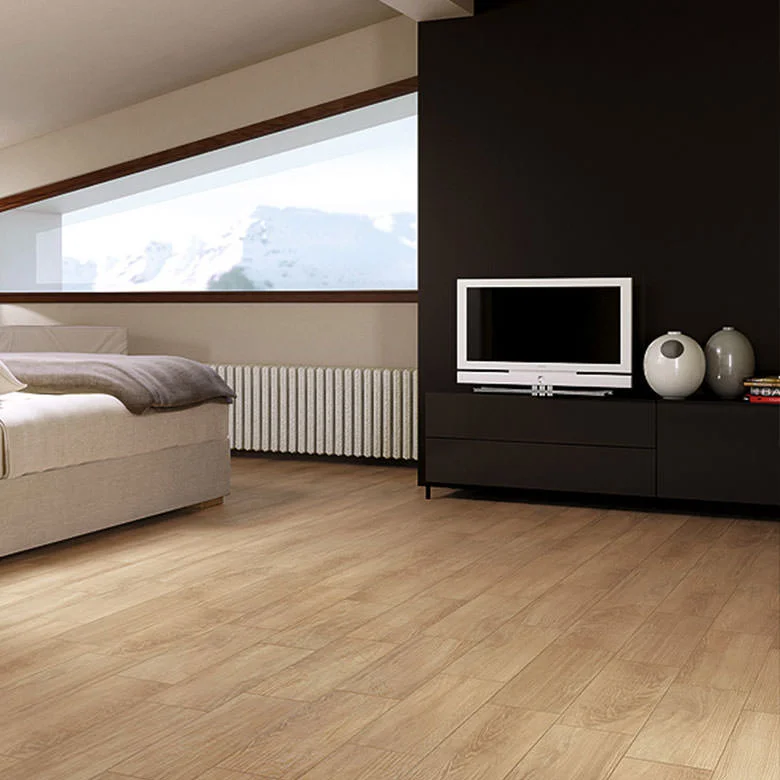
Ready stock does not mean settling for a limited or short-term choice. A well-stocked warehouse can offer enduring porcelain finishes for bathrooms, kitchens, living spaces, laundries and outdoor areas, including large format tiles, stone-look designs, timber-look planks and refined matte surfaces. The key is choosing a tile that suits both the room and the way your household lives.
Why ready stock matters during a renovation
Tile selection often happens after cabinetry, plumbing locations and lighting have already been planned. At that point, changing a product can affect the tiler’s booking, waterproofing sequence, benchtop installation and handover date. Choosing tiles that are physically available locally helps reduce this uncertainty.
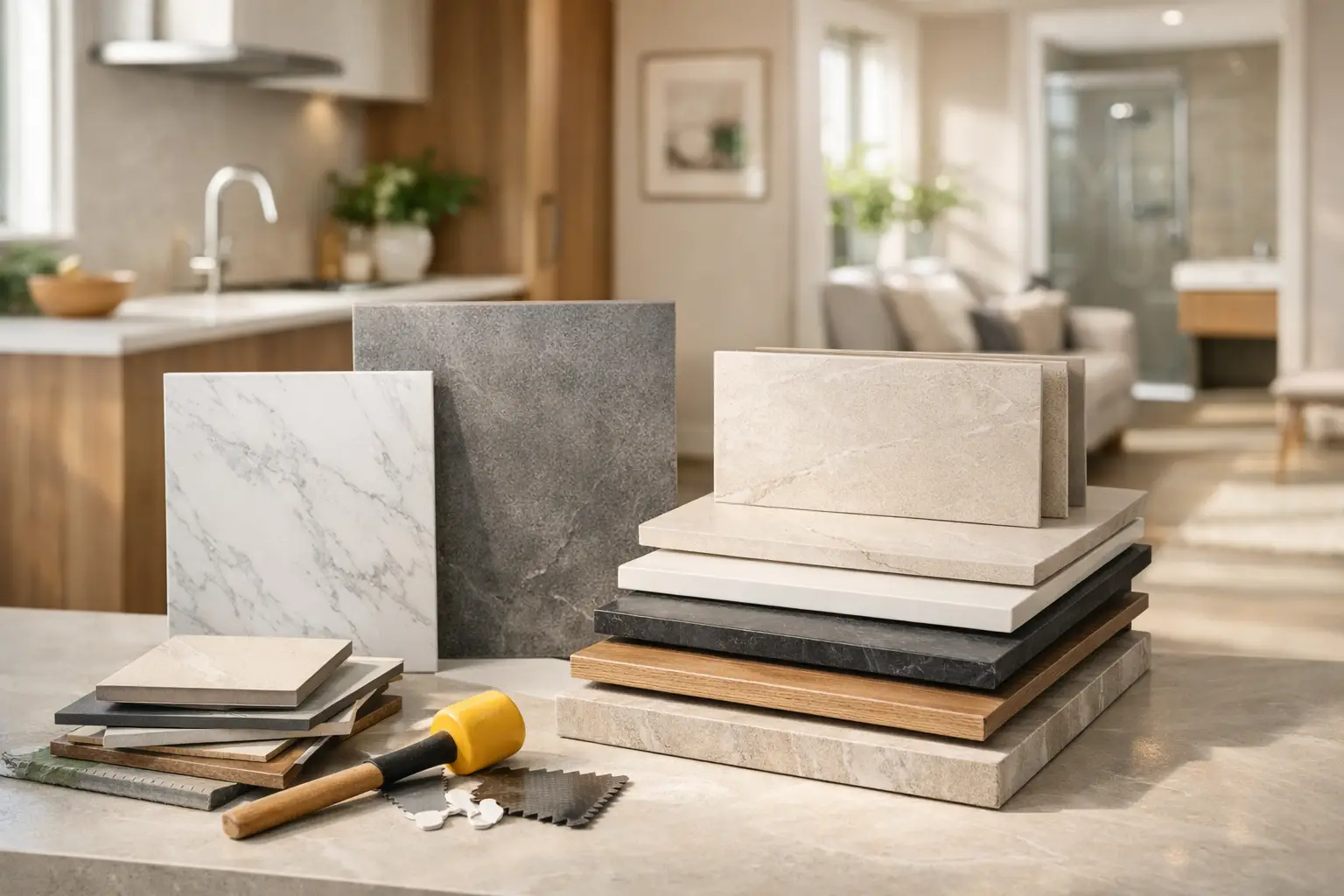
It also makes the decision more accurate. Looking at a tile under showroom lighting is useful, but inspecting several full pieces gives a better sense of its movement, shade variation, edge detail and texture. This is especially valuable with marble-look porcelain and natural stone-look collections, where variation is part of the appeal.
For trade professionals, confirmed warehouse stock can make quoting and programming easier. Rather than pricing a finish that may be subject to supplier lead times, builders and designers can specify a product with a clearer path to collection or delivery. Availability should still be confirmed at the time of order, particularly for larger quantities or matching trims.
Choosing ready stock tiles in Springvale by room
The right tile is not simply the one that suits a mood board. It needs to perform in the space, work with the substrate and be appropriate for the expected foot traffic and moisture levels.
Bathrooms and laundries
Bathroom tiles need to balance visual calm with everyday safety. Matte porcelain is a popular choice because it softens glare, hides water spotting more effectively than a highly polished finish and is generally easy to maintain. For floors, ask about slip resistance and select a finish suitable for a wet area. A smaller tile or mosaic can also be useful on shower floors, as the additional grout joints can improve underfoot grip.
Large wall tiles create a clean, spacious look with fewer grout lines, particularly in compact ensuites. However, they need a suitably flat wall and a tiler experienced in handling larger formats. A feature tile may work beautifully behind a vanity, but it should complement the floor rather than compete with it.
Kitchens and open-plan living areas
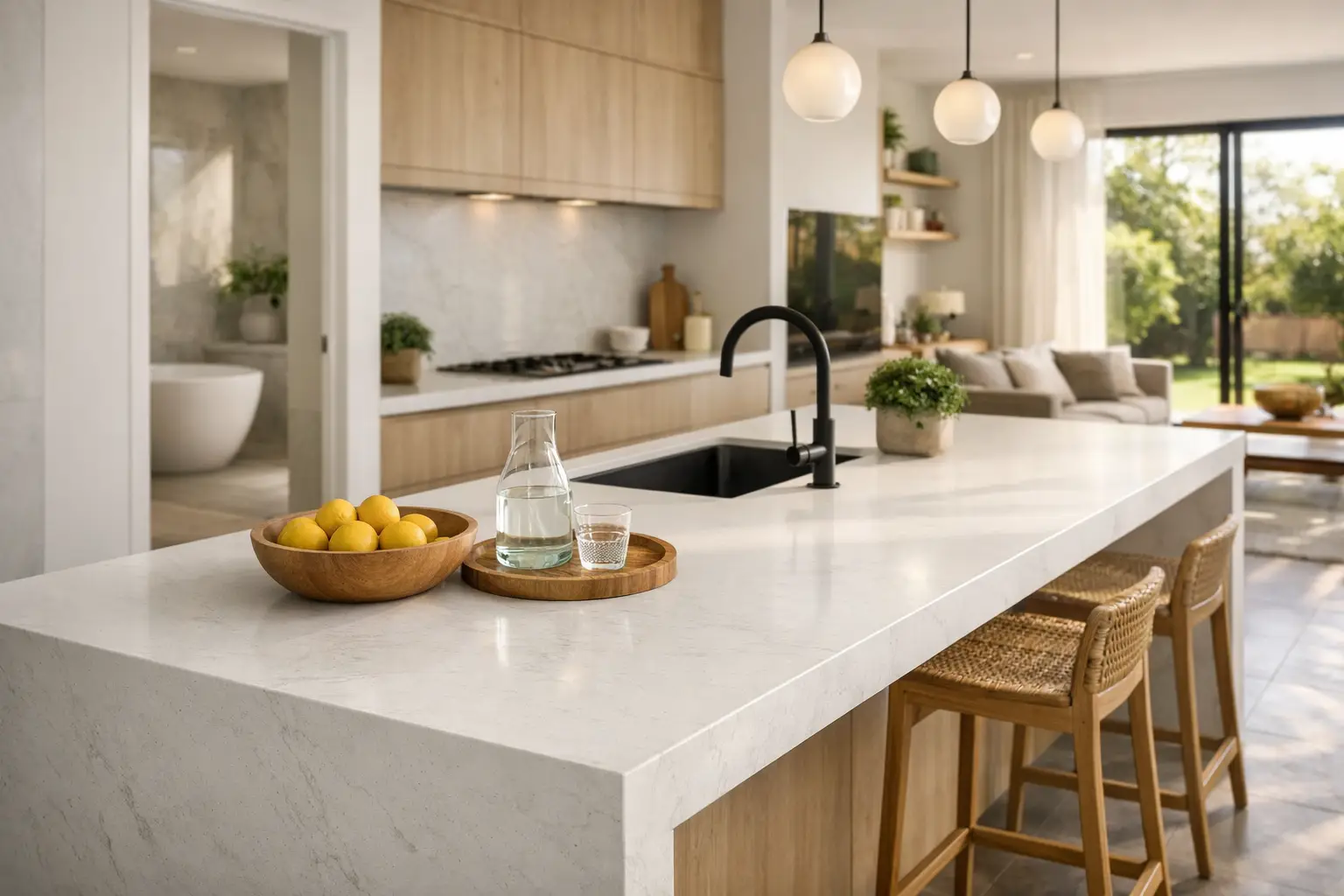
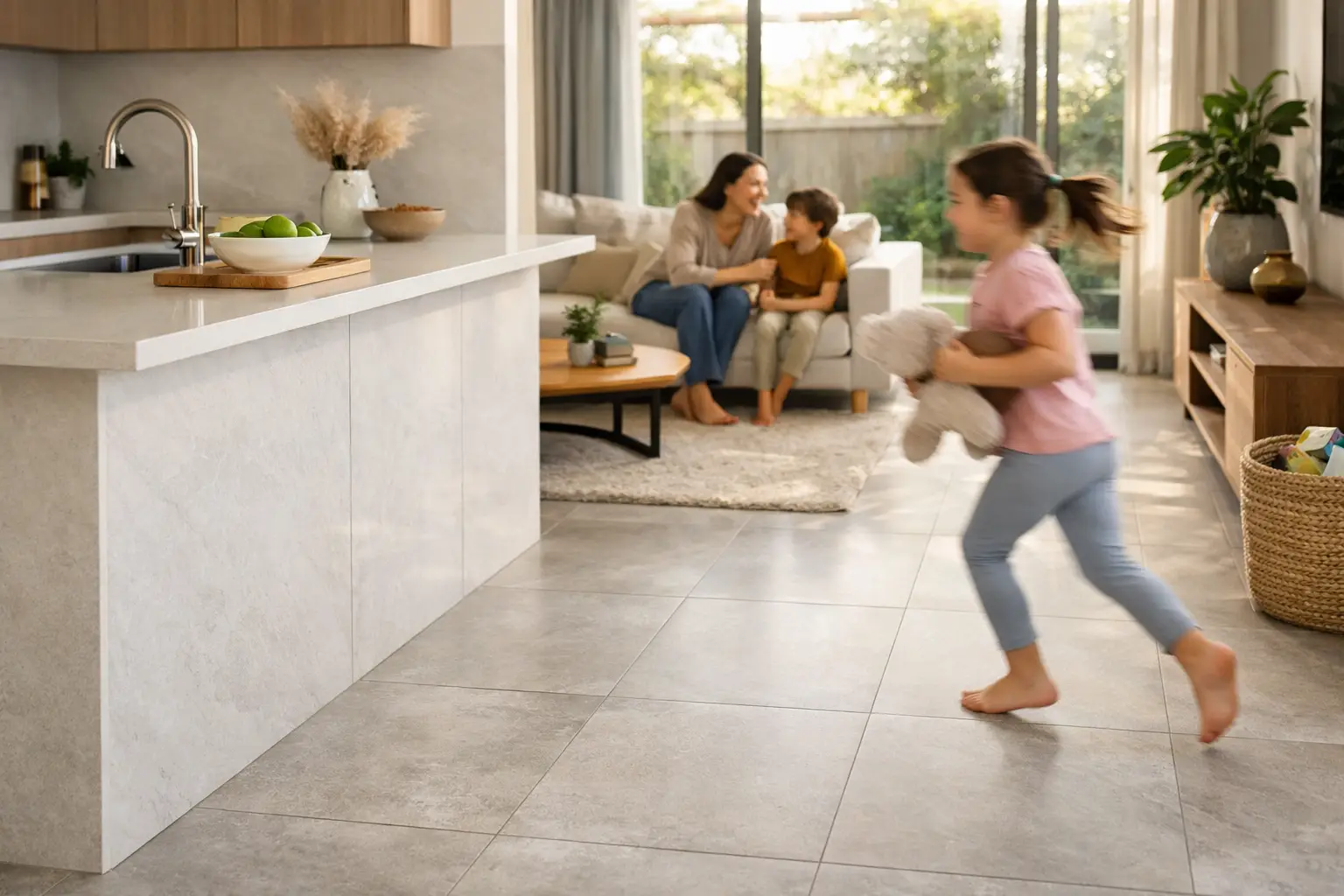
Porcelain kitchen tiles are valued for their durability, stain resistance and simple cleaning. A porcelain floor can cope well with busy family routines, pets, dining chairs and the occasional dropped utensil. For open-plan homes, continuing one floor tile through the kitchen and living area can make the home feel more connected.
Consider tile size alongside the layout. Large format tiles can create a premium, continuous finish, but they may involve more cutting in rooms with many doorways, islands or angled walls. A 600 x 600 mm or 600 x 1200 mm format often offers a practical balance between a contemporary look and efficient installation. The best option depends on room proportions, floor levels and the tiler’s layout plan.
Entryways, hallways and family zones
High-traffic areas deserve a tile with proven wear performance. Ask about the PEI rating for glazed porcelain tiles, which indicates resistance to surface abrasion. A higher suitable rating is particularly relevant for hallways and living areas that see frequent foot traffic.
Texture matters here too. Lightly textured or matte tiles tend to be more forgiving of dust and everyday marks than glossy finishes. Mid-tone stone looks are often a sensible choice for active homes because they offer visual warmth without making every small speck noticeable.
Outdoor spaces
Outdoor tiles need more than a matching colour. They should have an appropriate slip rating for the location, withstand local weather conditions and be installed with the correct falls and drainage. A tile labelled for indoor use is not automatically suitable around a pool, on a balcony or across an exposed alfresco area.
If you want an indoor-outdoor connection, look for coordinating finishes in the same collection. Many porcelain ranges offer a smoother internal tile and a more textured external version, helping maintain a consistent design while respecting safety requirements.
What to check before you place an order
Ready warehouse stock is a strong advantage, but careful ordering still protects the final result. Start by confirming the quantity required from accurate measurements. Your tiler can calculate coverage, cuts and wastage, while your supplier can help verify how many boxes are needed. As a general guide, allowing extra material is wise for cuts, breakages and future repairs, though the right allowance depends on tile size, pattern, layout and room shape.
Check that all boxes are from the same shade and calibre where possible. Tiles are manufactured in batches, and subtle variation between production runs can occur. Shade refers to colour and pattern variation, while calibre refers to the finished size tolerance. These details matter most where tiles will be laid continuously across a large area.
It is also worth reviewing each tile’s specifications before finalising your design. Confirm whether it is porcelain or ceramic, the finish, intended application, slip resistance where relevant, and whether the rectified edges suit the grout joint you have in mind. Rectified tiles have mechanically finished edges and can often be laid with narrower, consistent grout joints, provided the surface preparation is up to standard.
Before installation, inspect the tiles on delivery or collection. Keep cartons dry and protected, and raise any concerns before tiles are laid. Once installed, tiles are generally considered accepted, so this simple check can prevent unnecessary disruption later.
Design decisions that improve long-term value
The most successful tile schemes usually begin with a restrained foundation. Choose a main tile that you will still enjoy in ten years, then use colour, feature finishes or fittings to bring personality into the room. Neutral stone looks, warm greys, soft whites and natural beige tones remain popular because they work across changing furniture and paint colours.
Grout deserves the same consideration. A closely matched grout creates a quieter, more expansive surface, while a contrasting grout makes the tile pattern more visible. In family bathrooms and kitchens, select a quality grout colour that suits the maintenance level you are comfortable with. Very pale grout can look crisp, but may need more frequent cleaning in high-use zones.
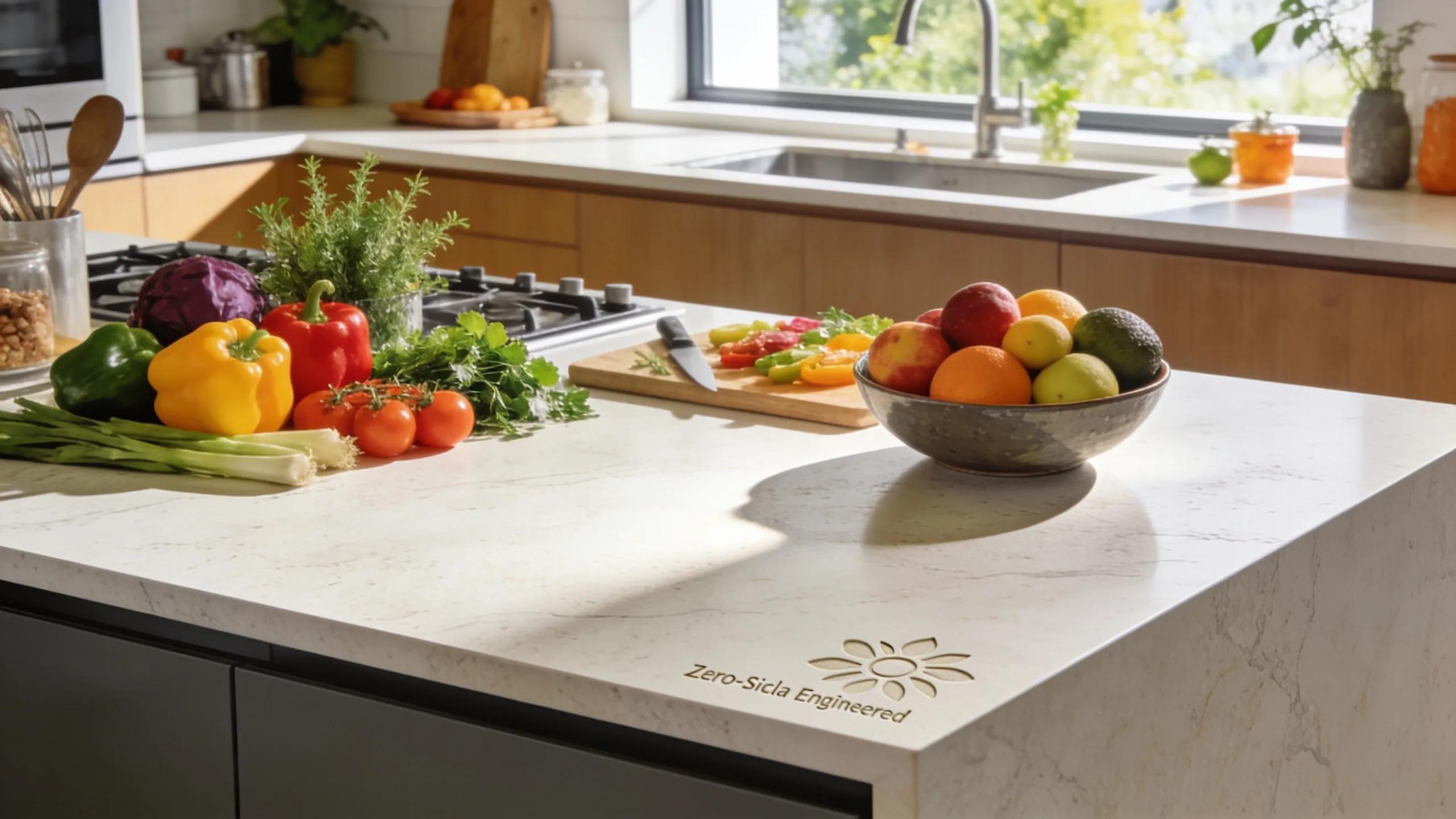
For a more complete renovation, coordinate tiles early with cabinetry, paint, tapware and benchtops. This is particularly important when selecting zero-silica engineered stone kitchen benchtops. Bringing samples together allows you to check undertones properly, whether they are warm, cool or neutral. A free measuring and 3D design service can also help turn separate product choices into a cohesive kitchen plan before fabrication begins.
Ready stock without rushed decisions
Fast availability is helpful, but it should not pressure you into a finish that is wrong for your home. Take samples home where possible, view them in morning and evening light, and place them beside cabinetry or flooring samples. Consider how the surface will feel underfoot, how it will clean and whether it suits young children, pets or frequent entertaining.
For larger projects, reserve or order the full quantity once your selection is final. This helps protect against stock changing while the renovation is underway. If your project is staged, discuss timing with your supplier so the order, storage and delivery arrangements match the build sequence.
A local showroom and warehouse also gives you a practical place to ask questions before installation begins. At Verona Ceramic, homeowners and trade customers can explore premium architectural surfaces with the reassurance of Melbourne warehouse stock, factory-direct value and advice based on real renovation requirements.
The right tile should make daily life easier as well as making a room look beautiful. By choosing available porcelain tiles carefully, checking the technical details and planning quantities before work begins, you give your renovation the best chance of progressing smoothly and looking considered for years to come.