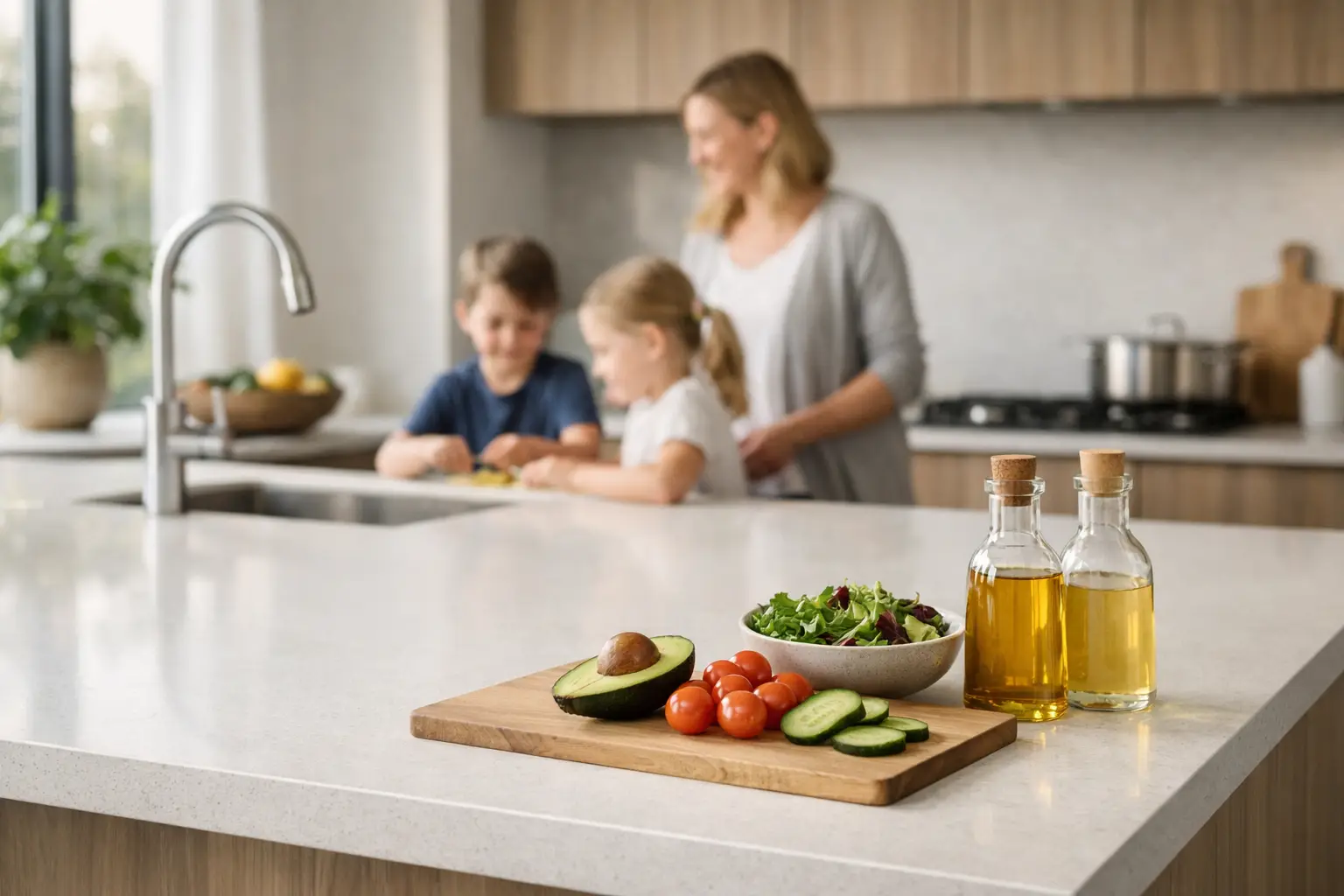
A kitchen benchtop is where weekday breakfasts, homework, meal prep and long conversations all happen. Choosing zero silica stone benchtops gives Melbourne renovators a way to bring premium architectural surface design into that daily routine while placing greater focus on material safety, durability and easy care.
For families, designers and builders, the appeal is not simply the absence of crystalline silica. It is the chance to specify a beautiful, dependable surface that suits the way a real kitchen is used – with hot dishes, wet hands, busy cupboards and plenty of cleaning in between.
What are zero silica stone benchtops?
Zero silica stone benchtops are manufactured surface products designed without crystalline silica, or with silica content below the relevant threshold for the product category and current regulatory requirements. They are often made using mineral-based ingredients, recycled materials, resins and pigments, although the exact composition varies between manufacturers and ranges.
This distinction matters because crystalline silica can be released as fine dust when certain silica-containing engineered stone products are cut, ground or polished. Australia has introduced strict requirements around engineered stone, making material selection and responsible fabrication central considerations for any kitchen renovation.
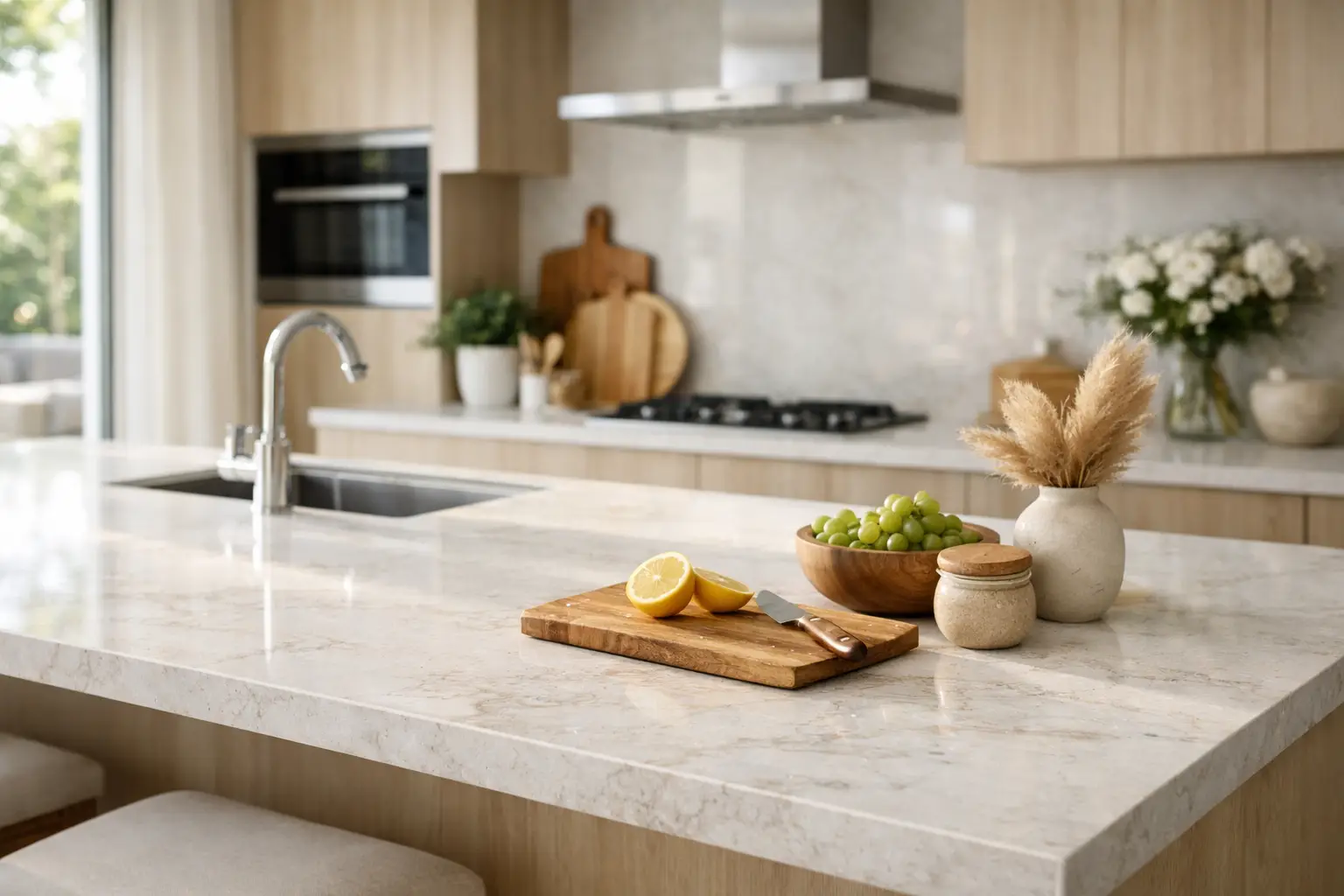
A zero silica surface can provide the polished, consistent appearance many homeowners associate with engineered stone, without relying on high-silica formulations. Depending on the range selected, it may replicate soft marble veining, concrete-inspired texture, natural stone movement or a clean, understated solid colour.
It is wise to look beyond a showroom label. Ask for the product technical data, warranty information and confirmation of its composition. Your supplier and fabricator should also be able to explain how the material is handled and whether it is suitable under current Australian requirements.
Why homeowners are choosing zero silica benchtops
The strongest reason is peace of mind. A well-chosen zero silica benchtop supports a safer material pathway for the people who manufacture, install and live around the finished kitchen. It also responds to a broader shift in renovations: homeowners want beautiful finishes, but they increasingly want to understand what is in them and how they will perform over time.
The practical benefits are equally persuasive. Quality zero silica engineered surfaces are generally non-porous, which means everyday spills are less likely to soak in. Coffee, cooking oil, juice and sauce can usually be cleaned with a soft cloth, warm water and a mild non-abrasive cleaner. That is particularly useful in family kitchens where the benchtop needs to look presentable without demanding special care.
Consistency is another advantage. Natural stone has unique variation, which many people love, but it can make matching a large island with surrounding benches more complex. Manufactured zero silica surfaces can offer more predictable colour, pattern and finish across a project. This helps architects, interior designers and cabinet makers create a considered result from the splashback to the island waterfall end.
A premium look without a high-maintenance routine
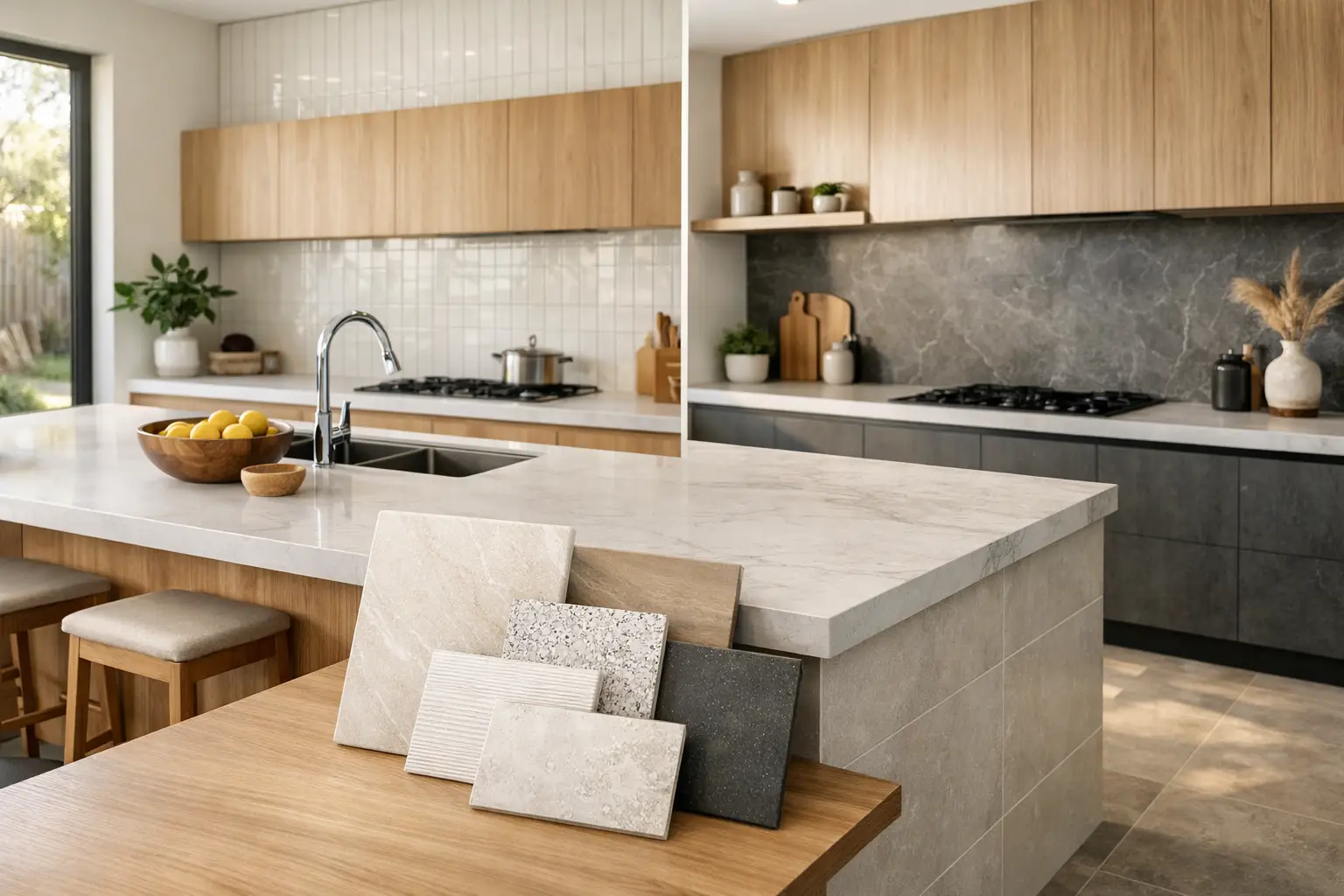
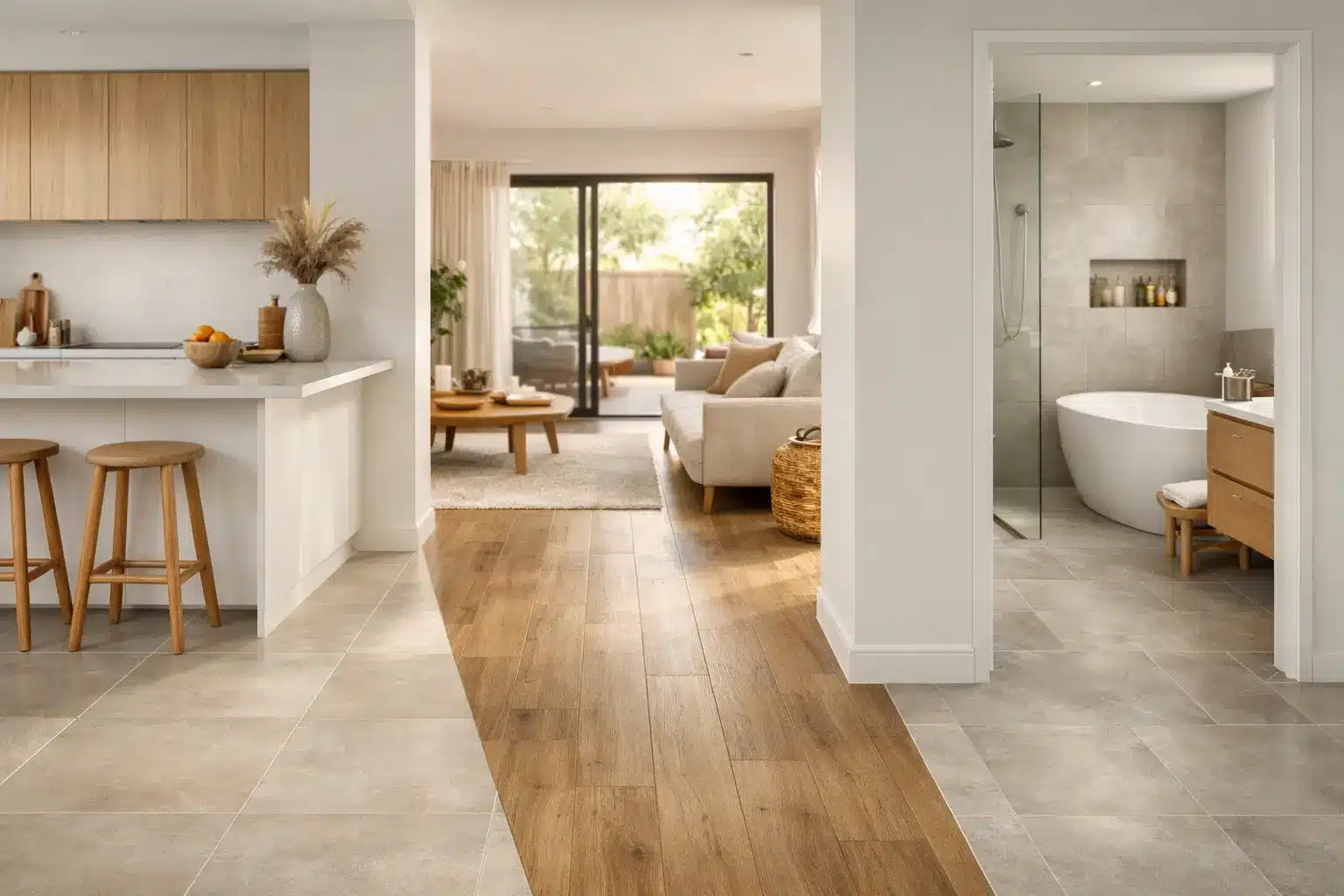
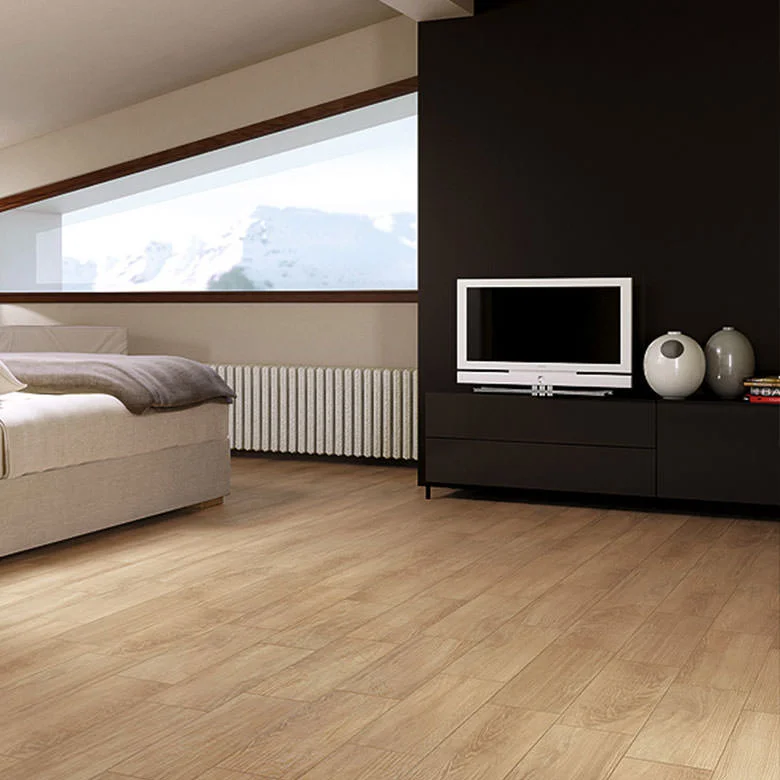
A pale veined surface can make a compact kitchen feel brighter. A matte charcoal finish can ground warm timber joinery. A soft beige or greige benchtop can complement porcelain floor tiles without competing with them. The best choice is not necessarily the most dramatic slab in the showroom. It is the one that works with your cabinetry, lighting, tile selection and the amount of natural light in the room.
For an enduring scheme, consider whether the pattern will still feel right after several years. Fine veining and calm, neutral tones are often easier to coordinate with future paint, hardware or furniture updates. If you prefer a bolder surface, using it on a generous island while keeping perimeter benches quieter can create balance.
How zero silica surfaces compare with other benchtop options
No benchtop material is perfect for every home. The right choice depends on your cooking habits, preferred look, budget, installation details and tolerance for natural variation or ongoing maintenance.
Natural stone delivers genuine geological character, with individual movement and depth that cannot be copied exactly. Some stones, however, are more porous and may need sealing and greater care around acidic foods, oils and coloured liquids. Timber provides warmth and can be renewed, but it needs regular maintenance and is more vulnerable to water damage around sinks.
Porcelain and sintered surfaces are valued for their hard-wearing qualities, heat resistance and contemporary appearance. They can be excellent for kitchens, but their fabrication and edge detailing require experienced handling. Laminates offer broad design choice and value, yet they may not provide the same long-term resistance to heat, impact or edge wear as premium architectural surfaces.
Zero silica stone benchtops sit in a useful middle ground for many renovations. They can offer a refined, low-maintenance look with reliable day-to-day performance. Still, performance varies by product. Do not assume that every zero silica surface has identical resistance to scratching, heat, staining or impact. Compare technical specifications rather than choosing on colour alone.
Details that make a benchtop work harder
A benchtop should be selected as part of the full kitchen, not as an isolated slab. Thickness, edge profile, overhang, joins, cut-outs and splashback treatment all affect the final appearance and serviceability.
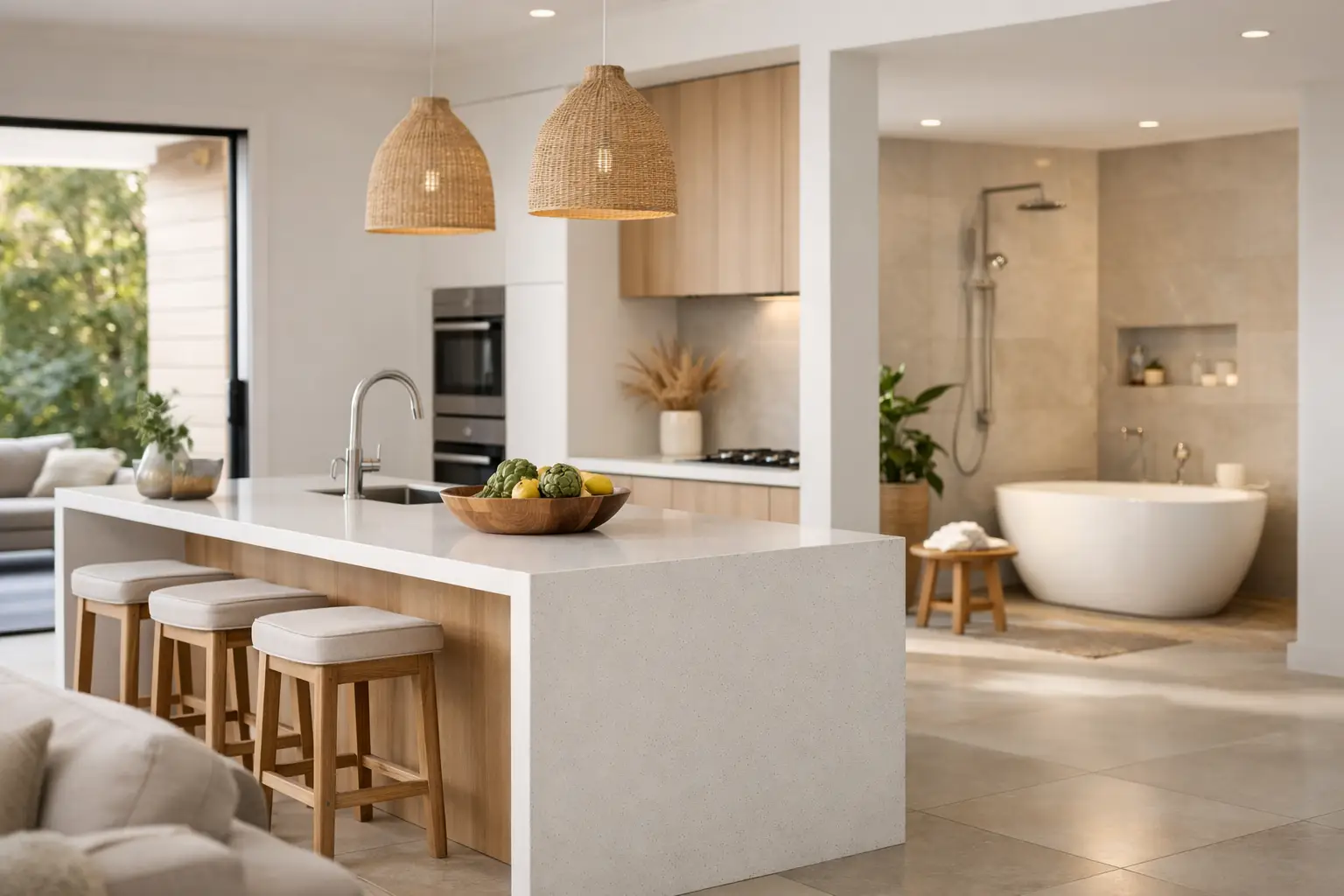
A 20 mm profile creates a streamlined contemporary look, while a built-up edge can give the visual weight of a thicker stone slab. Waterfall ends make an island feel substantial and can showcase veining, but they require careful pattern matching at the join. For a more subtle approach, a square eased edge is timeless, easy to live with and suits both modern and classic cabinetry.
Sink and cooktop zones deserve special attention. Undermount sinks create a clean line and make wiping crumbs into the bowl easier, but the cut-out must be precisely fabricated and properly supported. Always use trivets or heat pads for very hot cookware unless the manufacturer specifically confirms suitable heat performance. Similarly, use a chopping board rather than cutting directly on any finished surface to protect both your knives and the benchtop.
For larger kitchens, ask where joins will sit before fabrication begins. A well-planned join can be discreet, particularly when it follows a change in level, a sink cut-out or a natural point in the layout. This is one reason measuring and 3D design are valuable: they allow practical details to be resolved before materials are cut.
Choosing the right finish and colour
Gloss finishes reflect light and can make smaller kitchens feel more open, though fingerprints and water marks may be more visible in strong sunlight. Matte and honed-look finishes have a softer, architectural feel and often pair beautifully with matte tiles, textured joinery and brushed metal tapware. They can be forgiving in busy family spaces, but always check the cleaning guidance for the specific range.
When choosing a colour, take cabinet samples, flooring and splashback options home where possible. Showroom lighting is useful, but your kitchen may have very different daylight and artificial lighting. A warm white benchtop can look balanced beside cream cabinetry yet appear yellow against a cool grey floor tile. Seeing the samples together avoids costly surprises.
At Verona Ceramic, ready stock in the Melbourne warehouse and a free measuring and 3D design service can help turn those samples into a practical, well-resolved kitchen plan. Availability is worth confirming early, especially when benchtops need to align with cabinetry installation and other renovation trades.
Questions to ask before you commit
A confident purchase starts with clear answers. Ask for the surface’s technical data sheet, warranty terms, cleaning instructions and fabrication requirements. Confirm the slab size, thickness, finish and whether the chosen pattern has directional veining that needs to be aligned across an island or waterfall panel.
Also discuss installation timing. Benchtops are typically measured after cabinets are installed and levelled, then fabricated to the final site dimensions. This protects accuracy, but it means your renovation schedule should allow for a template, fabrication and installation period. If you are coordinating tiles, appliances and cabinetry, clear communication between trades will reduce avoidable delays.
Finally, inspect slabs or approved samples before fabrication where practical. Variation between batches can occur, particularly in patterned designs. Agreeing on the selected appearance upfront gives everyone confidence about the finished result.
A considered next step for your kitchen
The best zero silica benchtop is one that feels right every morning, cleans up easily after a busy dinner and has been specified with the same care as the cabinetry and tiles around it. Take the time to compare finishes, ask practical questions and choose a surface backed by clear product information and experienced local support. That considered approach is how a kitchen becomes not just beautiful on installation day, but a comfortable, lasting part of family life.