A tile can look perfect under showroom lighting, then feel very different once it meets morning sun, wet feet, cooking splashes and a busy family routine. That is why matte porcelain tiles Melbourne homeowners choose are valued for more than their quiet, refined appearance. They offer a practical, low-fuss surface that works hard in the spaces used every day.
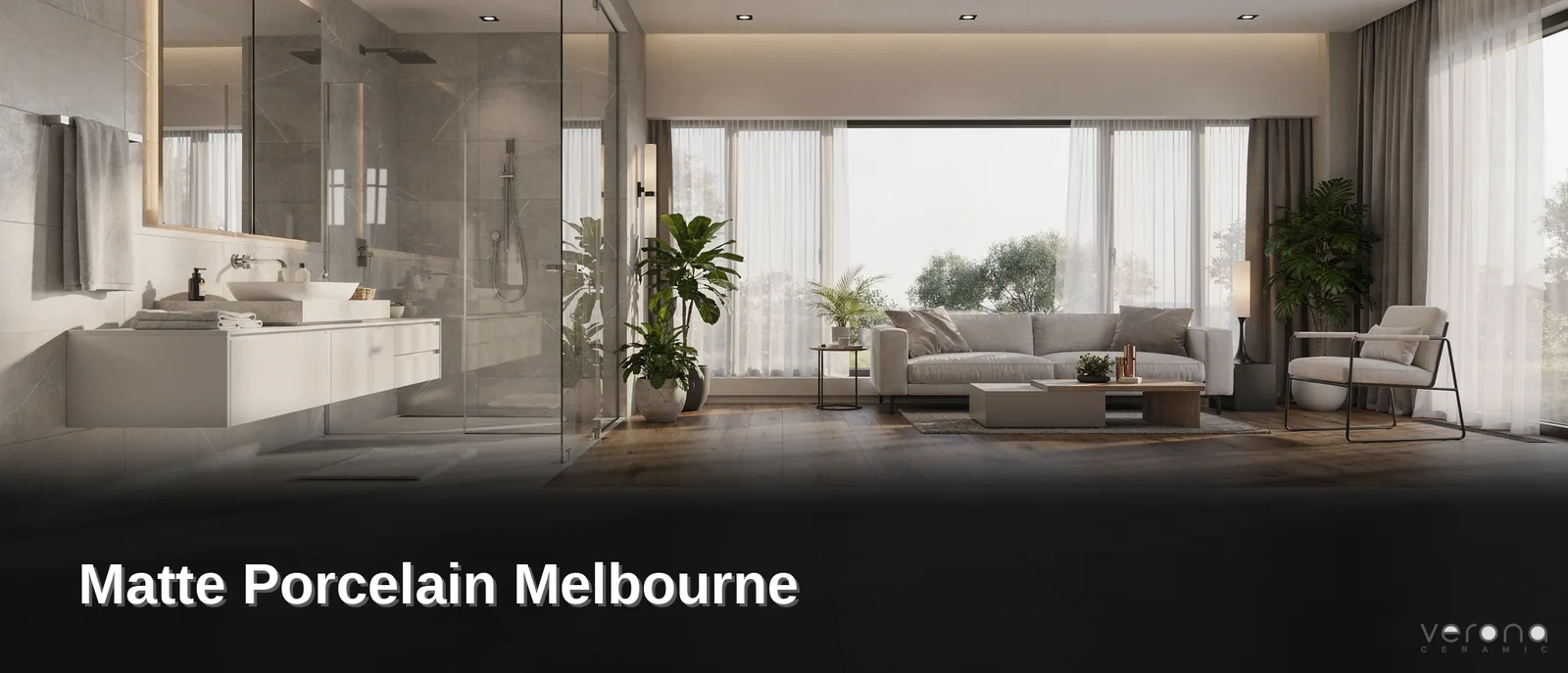
Matte porcelain has a soft, non-reflective finish that suits contemporary, coastal, classic and architectural interiors alike. It can make a room feel grounded rather than glossy, while porcelain’s dense body provides the durability needed for kitchens, bathrooms, laundries, entryways and living areas. The best result comes from choosing the right finish, size and slip rating for the room, not simply the colour you like most.
Why matte porcelain works so well in Melbourne homes
Melbourne homes often need finishes that can handle changing weather, muddy shoes at the door, wet bathroom floors and busy entertaining areas. Porcelain tiles are fired at high temperatures and have very low water absorption, making them a dependable choice where moisture and daily wear are concerns. Unlike some natural materials, they do not generally need sealing to maintain their performance.
A matte finish has another everyday advantage: it is more forgiving of fingerprints, water marks and light surface dust than a high-gloss tile. This does not mean it never needs cleaning, but it can look tidy between cleans – particularly useful in family kitchens and open-plan living spaces.
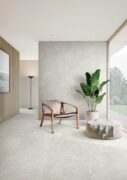
The visual effect matters too. Matte surfaces absorb rather than bounce light, creating a calmer look with less glare from large windows and downlights. For designers and homeowners aiming for an enduring palette, matte tiles in warm white, soft grey, sand, travertine-look or concrete-look finishes offer depth without becoming overly busy.
Matte porcelain tiles Melbourne buyers should compare carefully
Not every matte tile is intended for every location. A beautiful large-format porcelain may be ideal for a living room wall or kitchen floor, while a shower floor calls for a smaller format with more grout joints and an appropriate slip-resistant surface. Looking beyond colour is what helps a renovation feel considered and perform well over time.
Slip resistance is about the room, not a single rating
For wet areas and external spaces, discuss slip resistance with your tile supplier and installer before ordering. Products may be assessed using different measures, including R ratings and pendulum test values. The suitable specification depends on whether the surface will be dry, regularly wet, barefoot, covered or exposed to weather.
A smoother matte tile can be excellent in a living room, dining area or powder room. A more textured finish may be the better choice for an alfresco area, pool surround, entry or shower floor. Texture improves grip, but it can also hold more dirt than a smooth tile, so there is always a balance between safety, cleaning and appearance.
Tile size changes the feeling of a space
Large format tiles, such as 600 x 600 mm, 600 x 1200 mm or larger, create fewer grout lines and a more expansive finish. They are especially effective in open-plan areas and modern bathrooms where a continuous visual flow is desired. Large tiles do require a suitably flat substrate and experienced installation, as uneven floors can lead to lipping at tile edges.
Smaller formats remain highly useful. They can suit shower bases, detailed layouts and rooms with many corners or penetrations. A well-chosen 300 x 600 mm wall tile, for example, can make a compact bathroom feel elegant without creating unnecessary cutting waste.
Consider wear ratings for active floors
For internal residential floors, a tile’s PEI rating can provide a useful indication of glaze wear resistance. Higher ratings generally suit areas receiving more foot traffic. It is one part of the decision, alongside slip resistance, thickness, intended application and installation method.
For a main family living area, kitchen or hallway, choose a porcelain tile specified for floor use and suited to residential traffic. Wall tiles can look similar but may not have the thickness or surface performance required underfoot. Checking the product specification before purchase protects both the finish and the investment.
Choosing colour and texture for everyday living
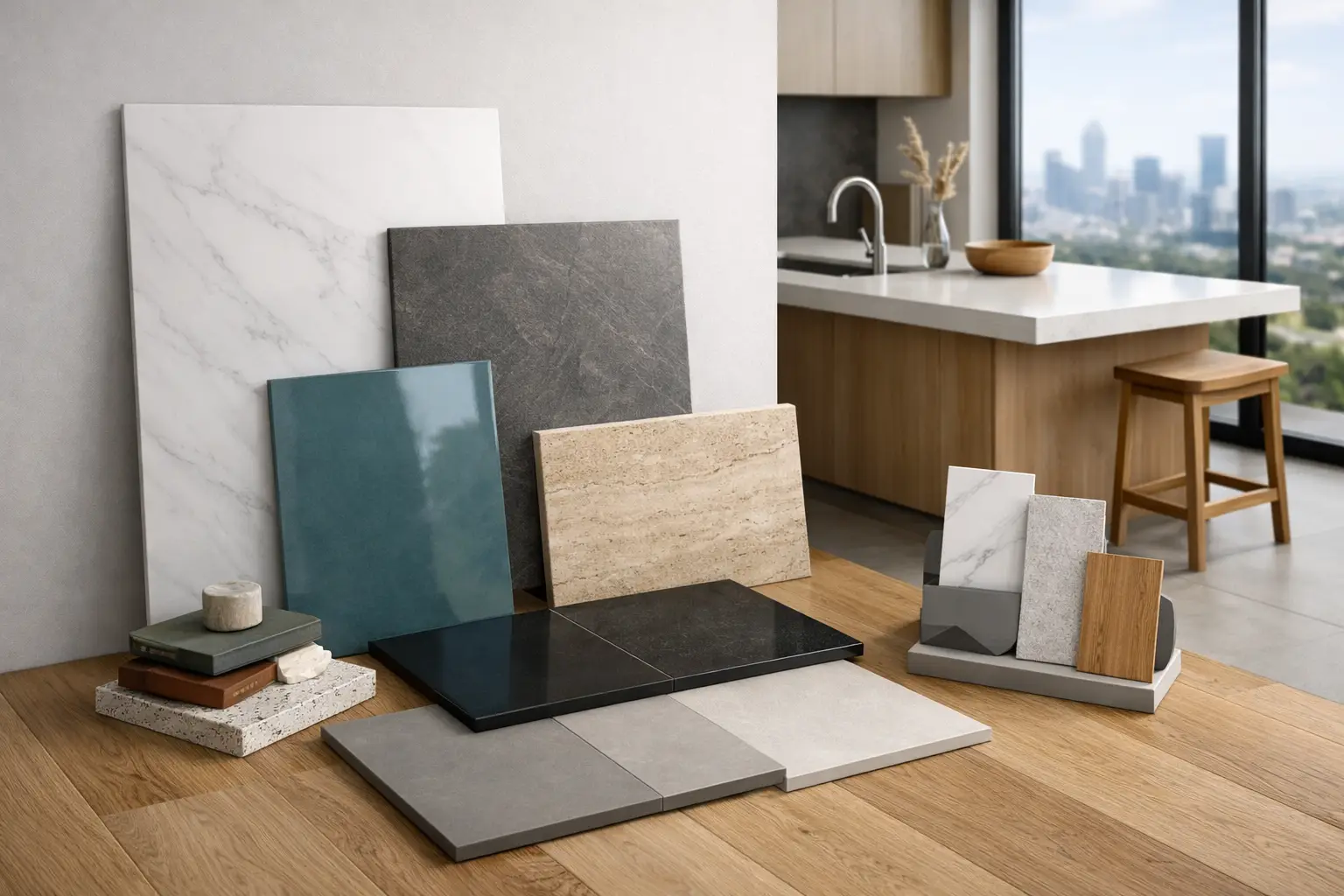
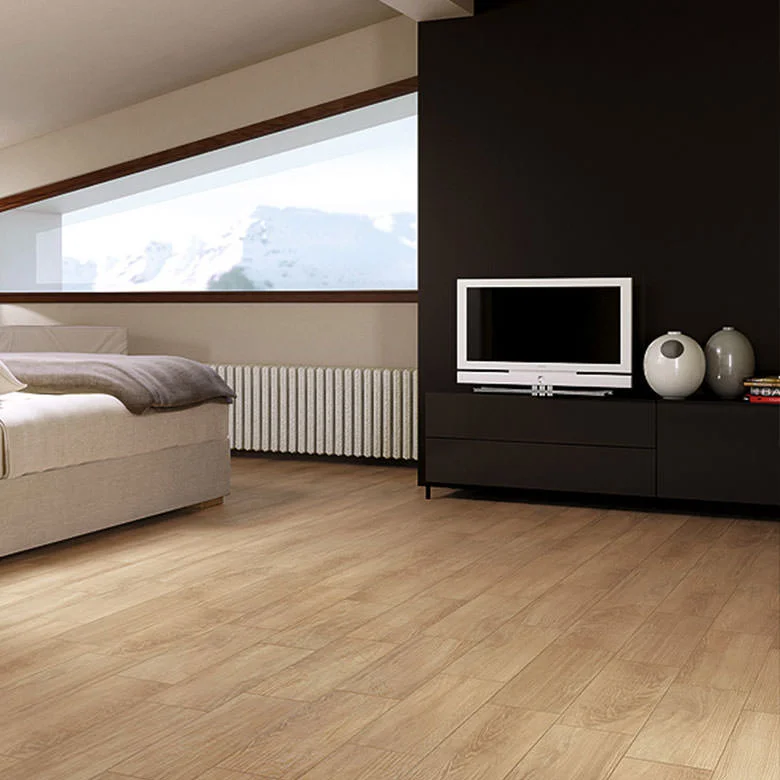
Matte porcelain does not have to mean flat or plain. Modern manufacturing can reproduce the gentle movement of stone, the fine grain of concrete and the variation of timber, while retaining porcelain’s easy-care benefits. The key is to view several tiles together, rather than judging a single sample in isolation.
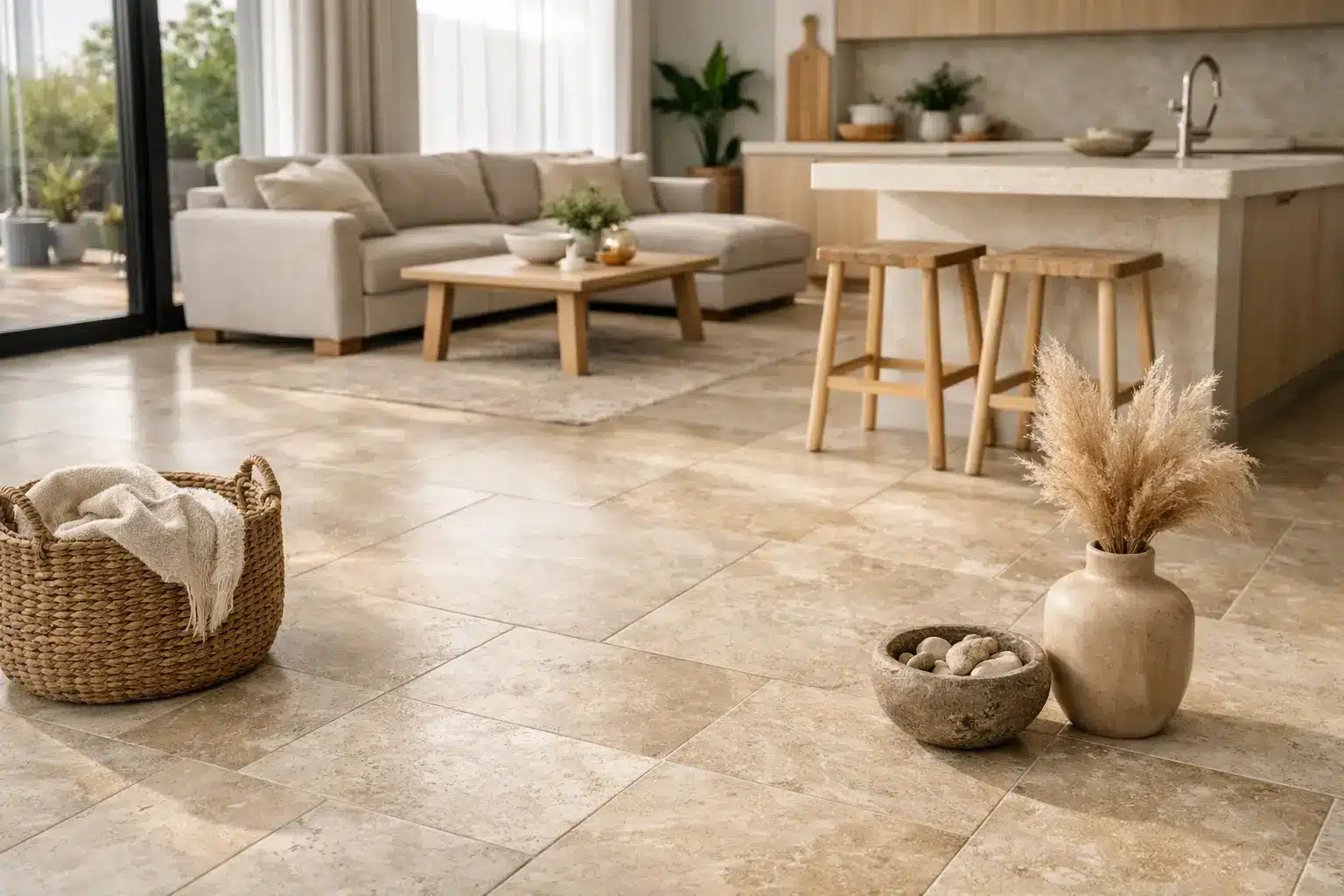
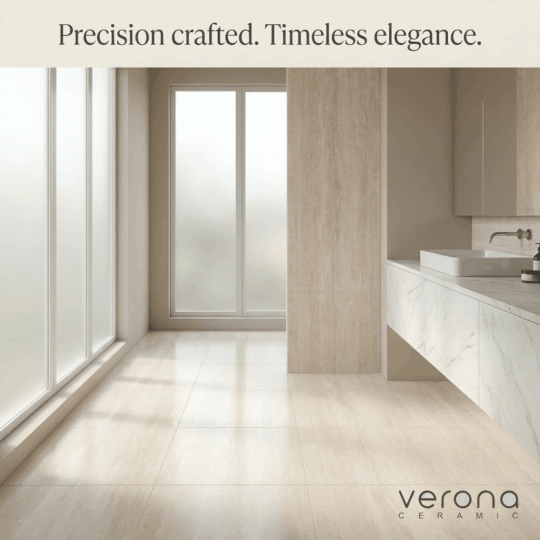
For a relaxed, light-filled interior, warm whites, limestone tones and pale greiges create a welcoming base for timber cabinetry and natural textiles. Mid-tone grey or stone-look tiles are practical in homes with children or pets because they tend to disguise everyday marks better than very pale or very dark surfaces. Charcoal and deep tones can look striking, although they may show dust or residue more readily in bright spaces.
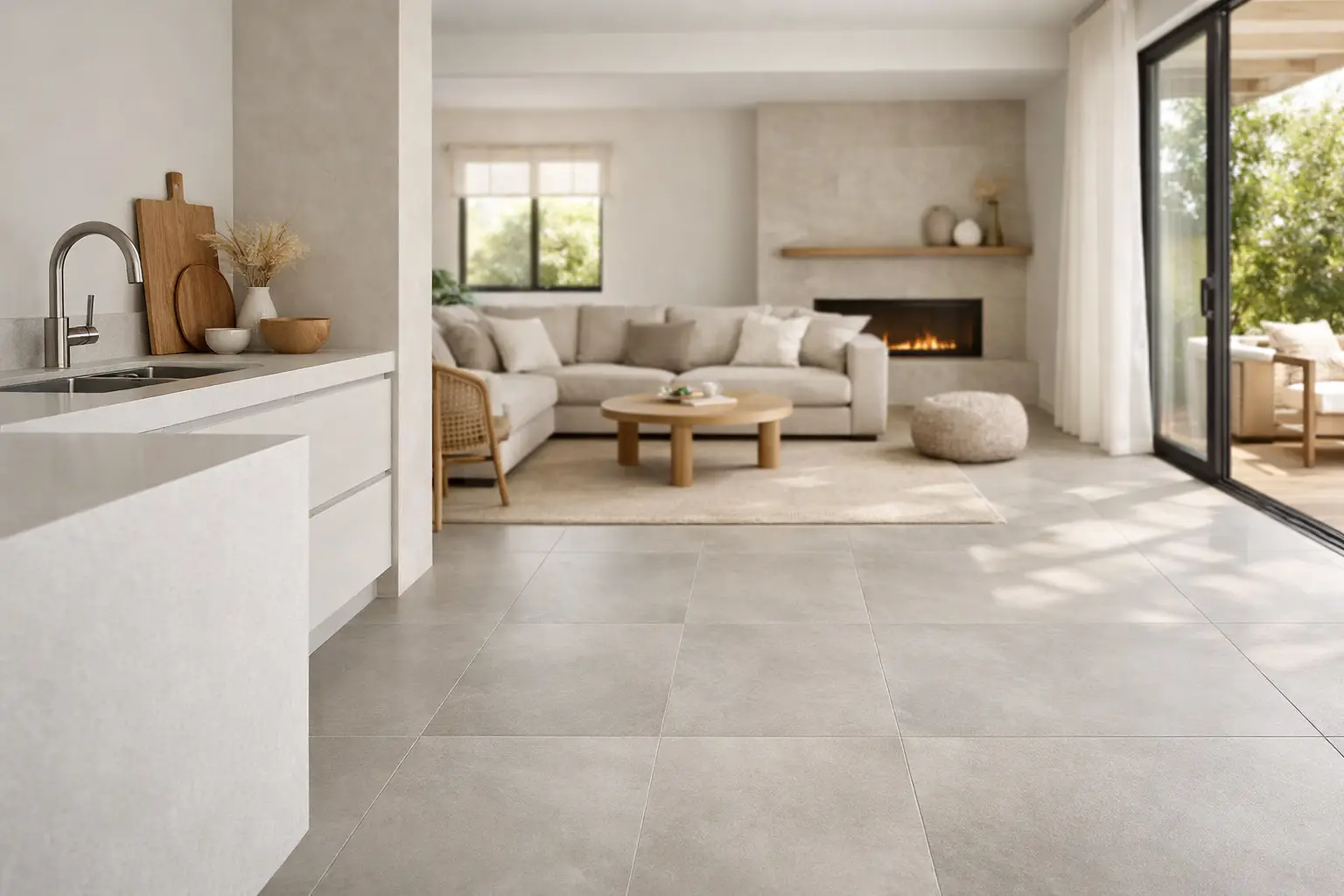
If you are pairing floor tiles with a zero-silica engineered stone benchtop, consider the undertones first. A cool grey benchtop can feel disconnected beside a strongly yellow-beige tile, while a warm off-white surface may sit beautifully with sand, clay or taupe porcelain. Samples viewed together in the actual room light are far more reliable than photos on a mobile screen.
Where matte porcelain makes the most sense
In kitchens, matte floor tiles offer a stable, easy-clean base beneath cabinetry, dining tables and high-use pathways. A large-format tile can reduce grout lines, while a stone-look finish adds softness to sleek joinery. For kitchen splashbacks, matte porcelain is a confident option when a less reflective, more architectural look is preferred.
Bathrooms benefit from porcelain’s low water absorption and broad range of formats. Use a compatible wall tile for visual continuity, then select a suitably slip-resistant option for the floor and shower. Matching the grout colour closely to the tile can produce a calm, spacious look, while a contrasting grout draws attention to the layout and is usually better suited to simpler tile shapes.
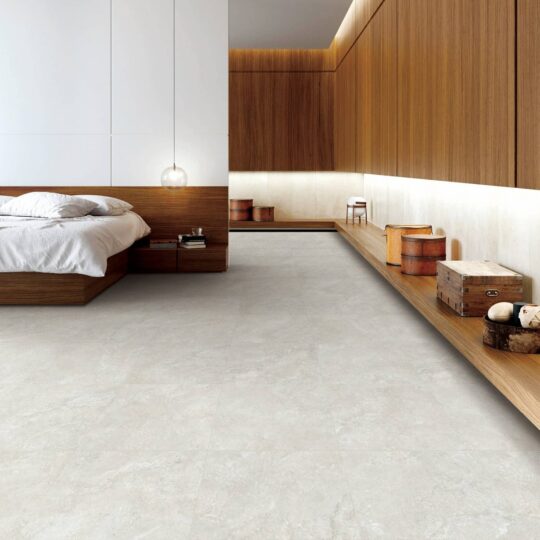
For living rooms, hallways and entry areas, matte porcelain can provide the appearance of natural stone with less maintenance anxiety. It is also compatible with many underfloor heating systems when correctly specified and installed. Outdoors, choose a product designed for external use rather than assuming the indoor version will perform safely in rain and changing temperatures.
Installation details that protect the finished look
Even premium architectural surfaces rely on correct preparation. The substrate needs to be clean, sound and suitably flat, especially for large format tiles. A qualified tiler will assess movement joints, waterproofing in wet areas, adhesive selection and the laying pattern before work starts.
Grout is not an afterthought. A narrow joint can look refined with rectified porcelain tiles, but the final width must allow for tile variation, substrate movement and Australian installation requirements. Epoxy grout can be highly stain resistant in selected applications, while quality cement-based grout is a practical choice for many residential projects. Your installer can advise on the best fit for the room and budget.
Before installation, inspect tile boxes for shade, calibre and batch consistency. Tiles should be mixed from several cartons as they are laid, particularly with stone-look products that are designed to include natural-looking variation. Ordering a sensible allowance for cuts, breakages and future repairs is also wise, as later batches may not match exactly.
Cleaning matte porcelain without damaging its finish
Routine care is straightforward. Sweep or vacuum grit regularly, then mop with warm water and a pH-neutral cleaner suitable for porcelain. Avoid oily soaps, waxes and harsh products that can leave a film on a matte surface and make it appear patchy.
For textured tiles, a soft bristle brush can help lift residue from the surface profile. Promptly wiping spills, especially around cooktops and bathroom vanities, keeps grout looking fresher. Porcelain itself is highly stain resistant, but grout and soap residue still need ordinary care.
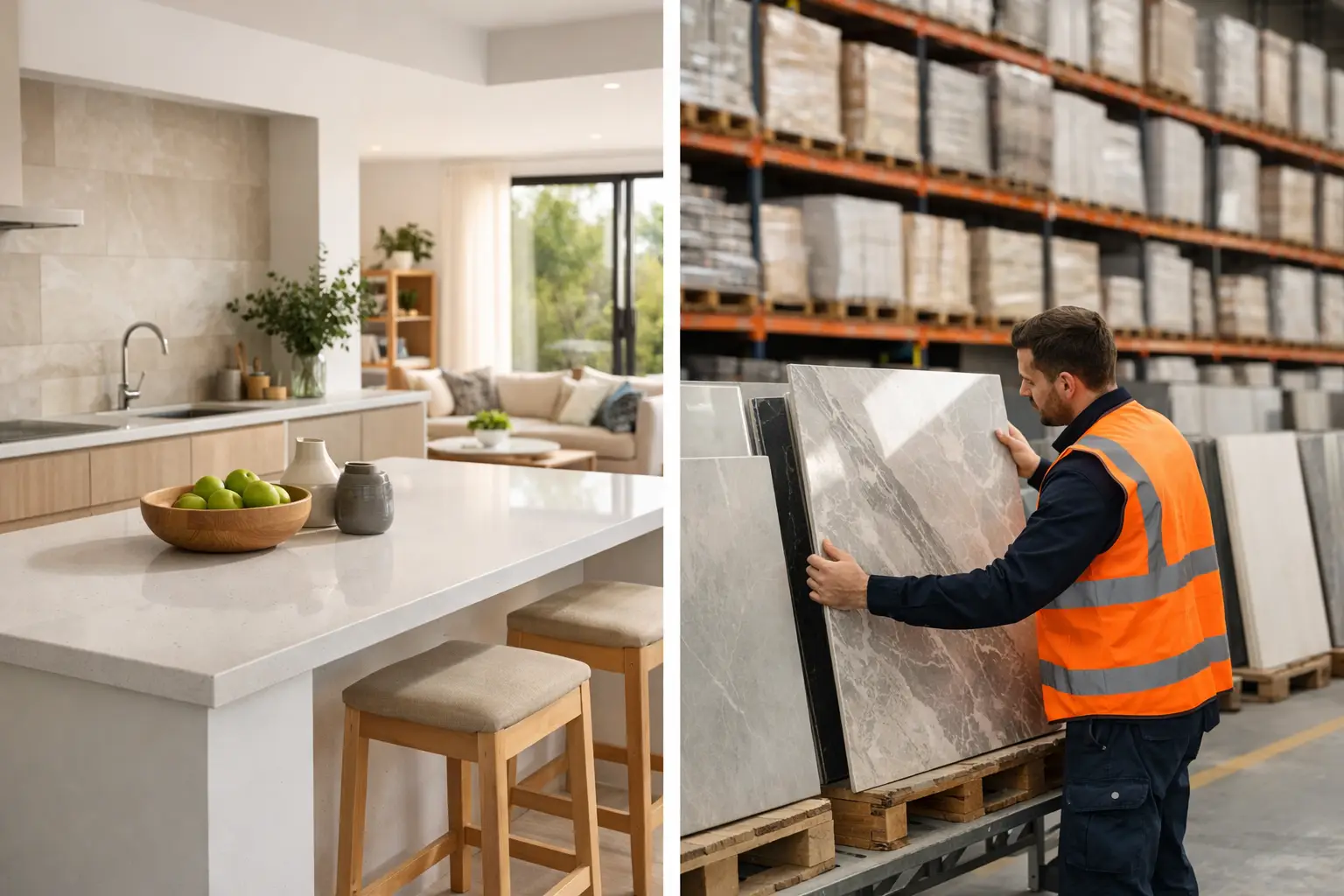
For renovators working to a schedule, ready stock can make a genuine difference. Verona Ceramic maintains warehouse stock in Melbourne across selected porcelain ranges, helping homeowners, builders and tilers plan around realistic lead times rather than uncertain overseas arrivals. A free measure and 3D design service can also clarify quantities, layouts and transitions before materials are ordered.
Matte porcelain is a finish that rewards thoughtful selection. Bring room measurements, inspiration images and cabinet or benchtop samples to the showroom, then compare tiles in person. The right choice should feel just as good on a wet Tuesday morning as it does on the day the renovation is finished.