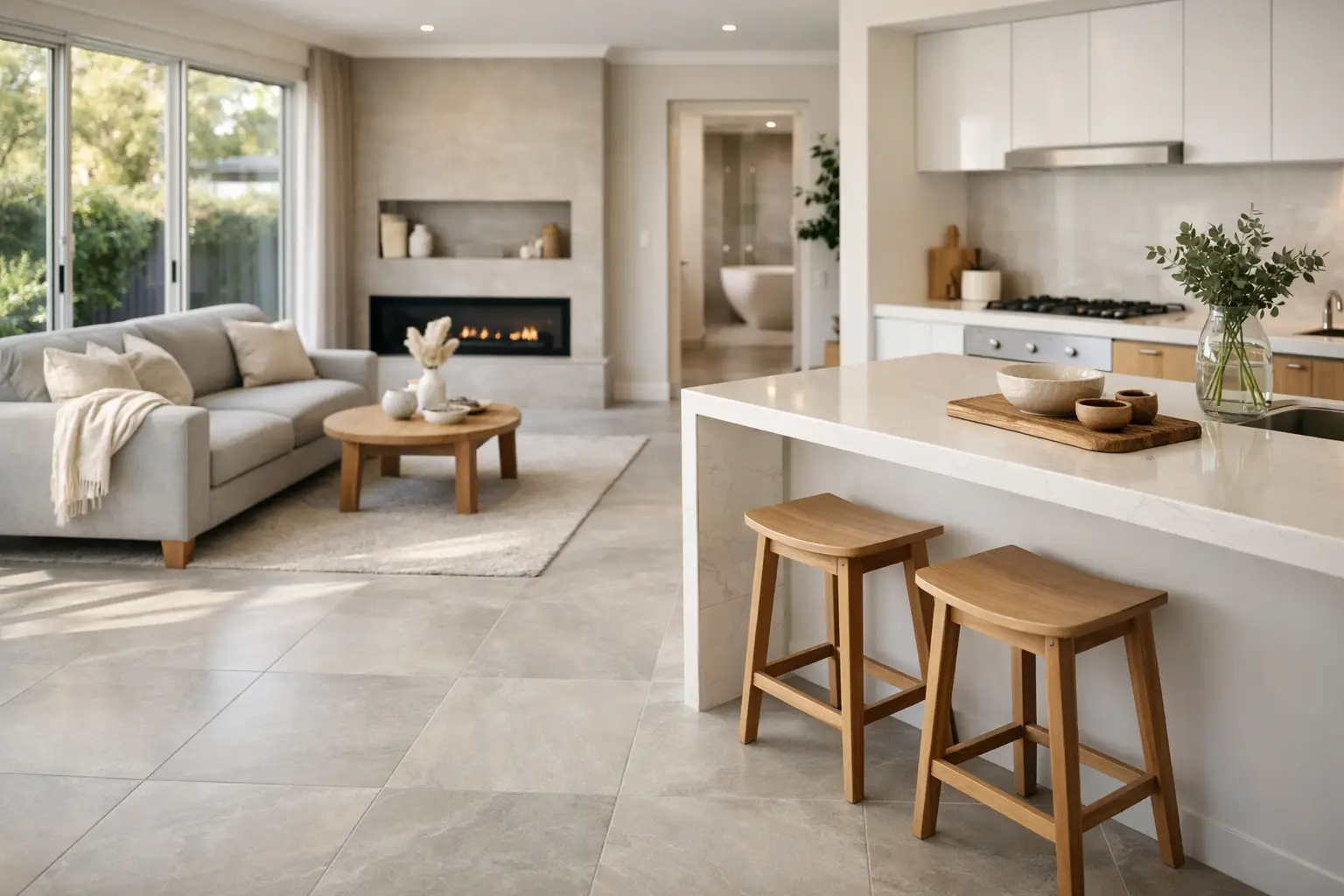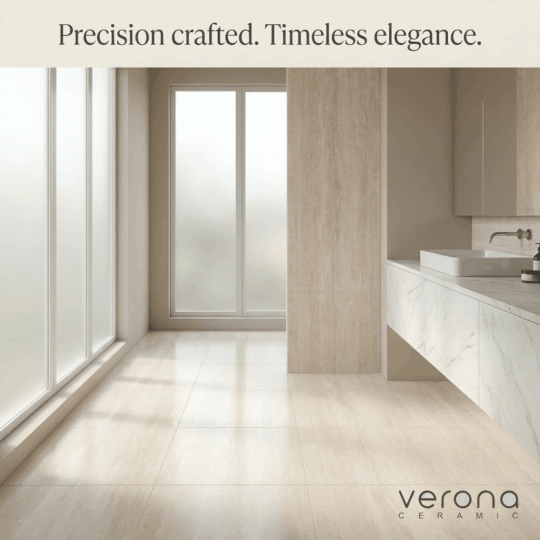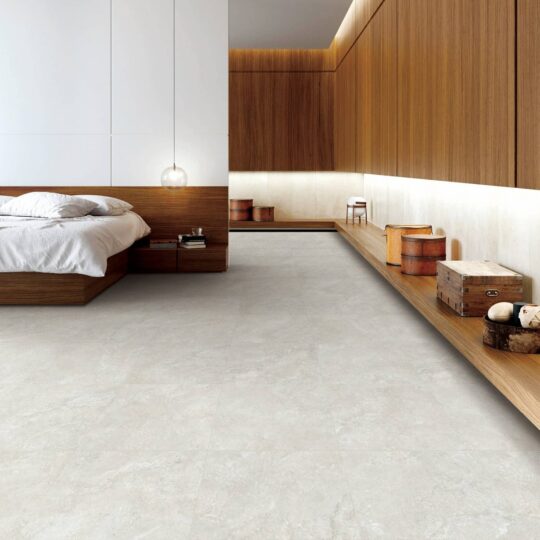
A kitchen floor works harder than almost any other surface in the home. It sees dropped utensils, muddy shoes, cooking splashes, chair movement and constant cleaning. So, are porcelain tiles good for kitchens? For most Melbourne homes, the answer is yes – provided the tile’s finish, slip resistance, size and installation are chosen to suit the room.
Porcelain brings together the qualities people want in a kitchen: lasting strength, low maintenance and a broad range of colours and styles. It can suit a crisp contemporary renovation, a warm timber-look family kitchen or a refined stone-look architectural space without demanding delicate care.
Why porcelain tiles suit kitchen floors
Porcelain is fired at very high temperatures and made with dense, refined clay. This results in a tile with very low water absorption, usually 0.5 per cent or less. In practical terms, that makes porcelain highly resistant to moisture, staining and everyday kitchen spills.
Unlike some natural stone surfaces, most porcelain tiles do not need regular sealing. Tomato sauce, cooking oil, coffee and splashes from the sink are generally easy to manage when cleaned in a reasonable time. For busy households, this simple routine is a genuine advantage.
Porcelain is also exceptionally durable. A quality floor tile can handle the daily traffic of a family kitchen, including pets, dining chairs and the occasional dropped pan. Its colour and pattern are fired into or beneath the glaze, so the surface retains its appearance well over time.
This does not mean every porcelain tile is identical. Wall tiles, for example, are often lighter and may not be suitable for flooring. Always select a porcelain product rated for floor use, and confirm its intended application before ordering.
A practical choice for open-plan homes
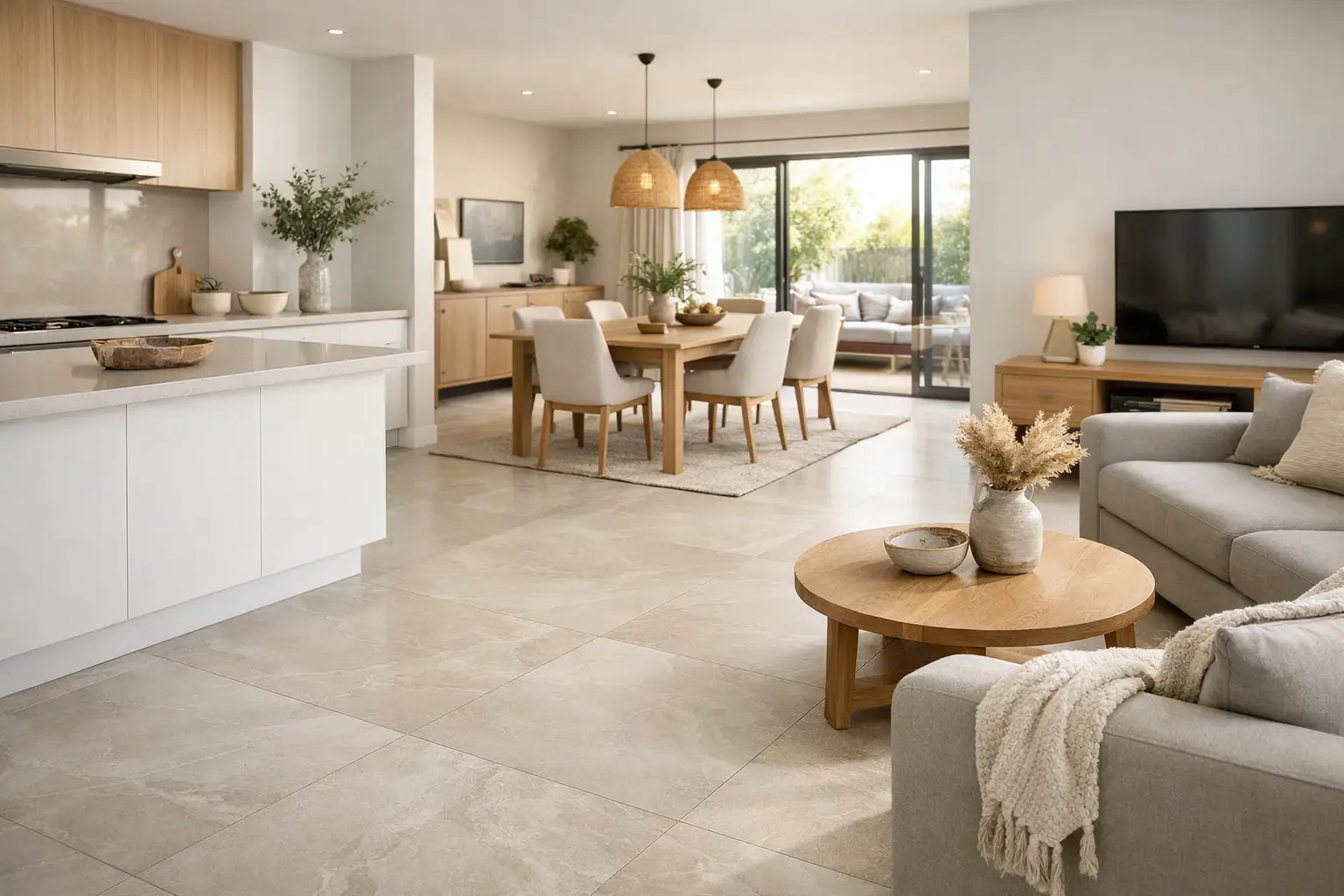
Porcelain performs especially well in open-plan kitchen, dining and living areas. Using one continuous tile from the kitchen through to adjoining spaces can make the home feel calmer and more generous in size. Large format tiles are particularly effective here, as fewer grout joints create a cleaner visual flow.
Large tiles do require a suitably flat subfloor and an experienced installer. A 600 x 600 mm tile is a versatile choice for many homes, while 600 x 1200 mm and larger formats create a more expansive look in generous rooms. The best size is not simply the largest available – it should suit the room proportions, floor preparation and planned layout.
Are porcelain tiles good for kitchens with children and pets?
They are often one of the most family-friendly flooring options available. Porcelain does not readily absorb spills, it resists scratches from everyday use, and it is easy to wipe clean after breakfast, homework or a muddy afternoon outside.
The key consideration is the finish. Highly polished porcelain can look striking, especially in a formal or light-filled kitchen, but it may show water marks and can become more slippery when wet. A matte, satin or softly textured finish is usually the more practical choice for active family homes.
For floor safety, ask about the tile’s slip resistance and whether it is appropriate for an internal kitchen area. In Australia, slip resistance is commonly assessed using recognised test methods and classifications. The right requirement depends on the location, expected wetness and project type. A knowledgeable supplier or designer can help match the finish to the space without compromising the overall look.
Grout deserves consideration too. A mid-tone grout can be more forgiving than bright white in a high-use kitchen. Narrow grout joints can provide a more contemporary finish, but the recommended joint width should always allow for tile size variation and proper installation. Good-quality grout and careful sealing where recommended will make ongoing cleaning easier.
Style without the upkeep of natural materials
One reason porcelain remains a favourite among homeowners, builders and designers is its design versatility. Modern manufacturing can recreate the movement of marble, the grain of oak, the soft variation of limestone and the understated texture of concrete. This makes it possible to achieve a premium architectural look with a surface designed for everyday living.
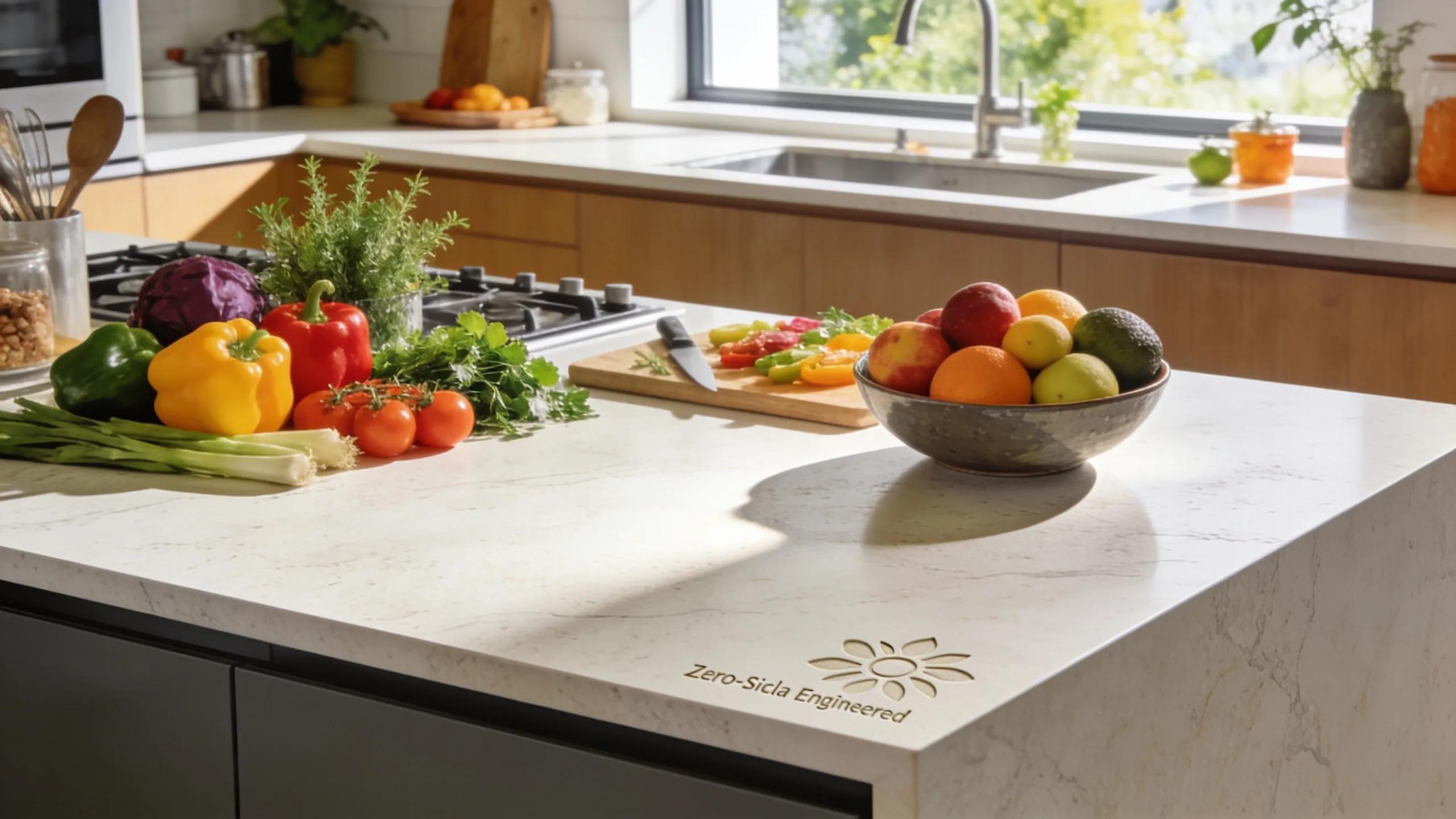
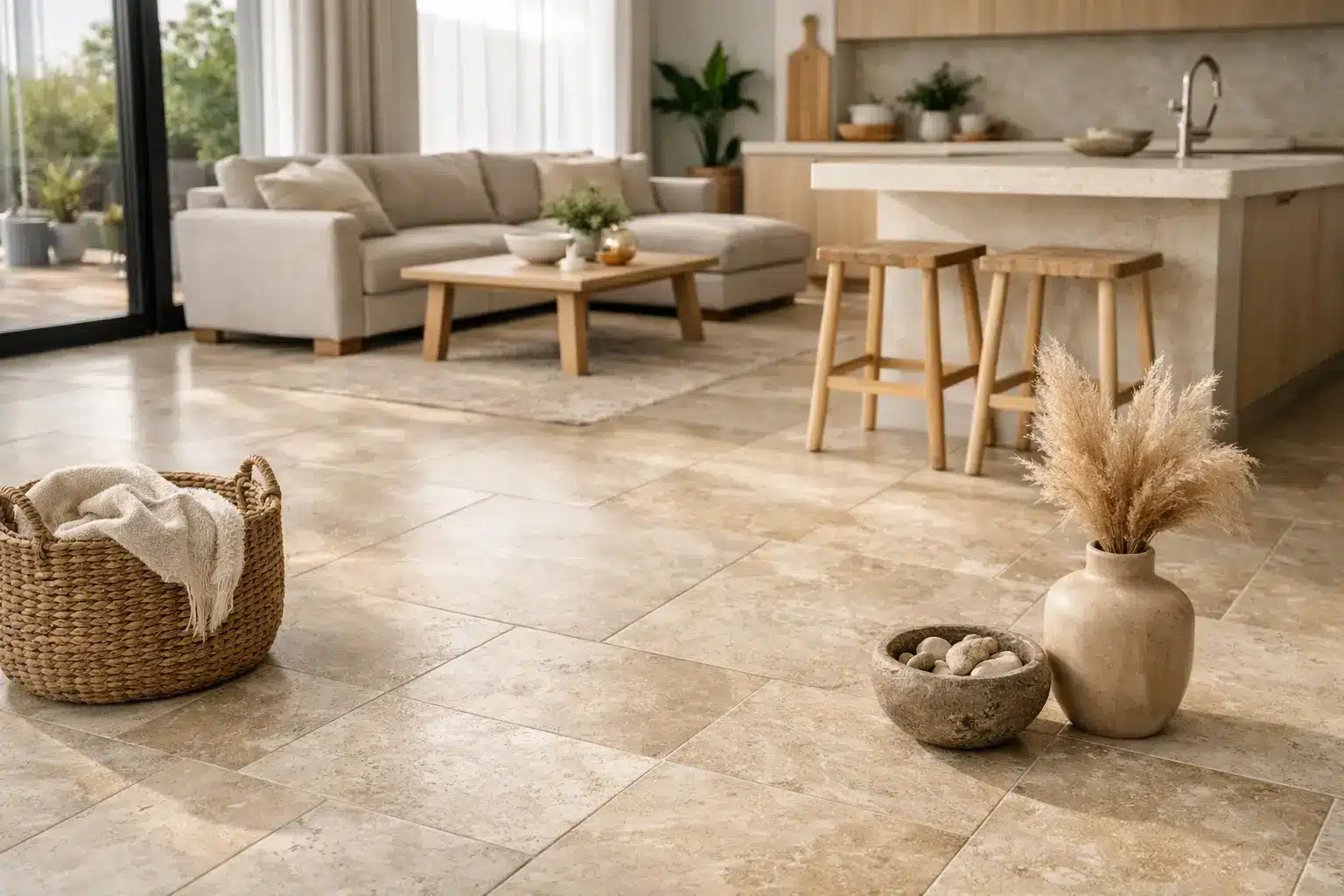
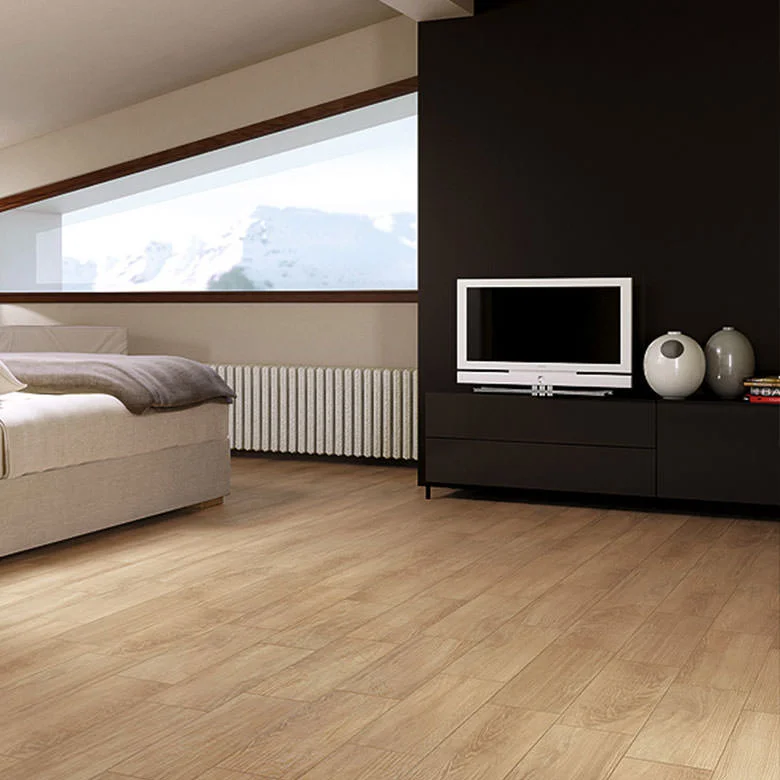
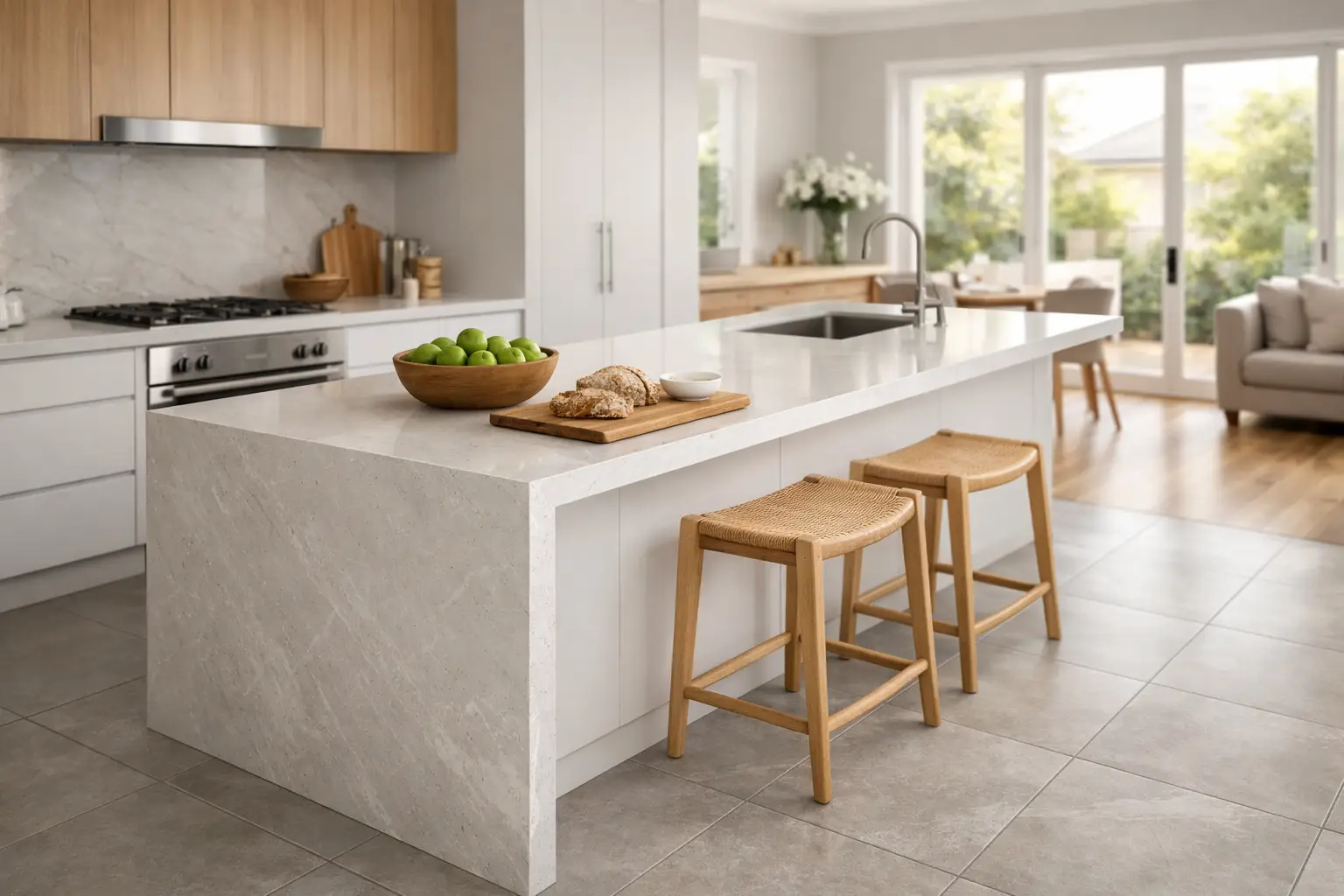
Stone-look porcelain is a sensible option for kitchens where people love the character of natural stone but prefer less ongoing maintenance. Timber-look porcelain can bring warmth to an open-plan home while offering better resistance to water around the sink, dishwasher and entry points. Concrete-look matte tiles pair neatly with timber cabinetry, brushed metal tapware and zero-silica engineered stone benchtops.
When selecting a patterned or veined tile, inspect several tiles from the same batch rather than relying on one sample. Many premium porcelain ranges are designed with variation between faces to create a natural result. Seeing the range laid out helps you judge whether the movement is subtle enough for a large floor area.
Choosing colour and finish carefully
Pale porcelain tiles can brighten a kitchen and make compact rooms feel more open, though very pale shades may reveal dark crumbs or scuff marks more readily. Deep charcoal and black tiles offer dramatic contrast but can show dust in strong sunlight. Mid-tones, warm greys, greige and soft stone shades are often the easiest choices for day-to-day living.
A matte finish is particularly popular because it has a relaxed, contemporary appearance and hides minor marks well. It also works beautifully alongside matte cabinetry and natural-look benchtops. Polished porcelain can suit a more formal design, but should be chosen with care in splash-prone areas and homes where a softer underfoot grip is preferred.
What to check before choosing kitchen porcelain tiles
A beautiful sample is only the start. Before finalising a tile, consider how it will perform in the finished kitchen. Check that it is specified for floors, review its slip resistance, and ask about its PEI rating where relevant. PEI ratings indicate the wear resistance of glazed tiles, with higher ratings generally suited to heavier traffic. Not every porcelain tile uses this rating, so it should be viewed alongside the manufacturer’s floor-use recommendation.
Also consider edge details. Rectified tiles have precisely cut edges, allowing for narrower grout joints and a clean, modern appearance. Non-rectified tiles can be equally durable and attractive, often with a slightly softer, more traditional finish. Neither is automatically better; the decision comes down to the design and desired grout line.
For renovations, check floor levels early. Tile and adhesive build-up may affect transitions to adjoining rooms, door clearances and cabinetry installation. If existing flooring is being removed, the subfloor must be assessed for flatness, movement and moisture before tiling begins. Quality porcelain deserves careful preparation beneath it.
Installation makes the difference
Porcelain is strong once installed, but its density means it needs the correct adhesive, coverage and cutting equipment. Large format tiles in particular require a professional approach to minimise lipping, where adjacent tile edges sit at slightly different heights.
A skilled tiler will plan the layout before starting, balancing cuts at walls, islands and doorways. They will also allow for movement joints where required and use an adhesive suitable for the substrate and tile format. These details may not be obvious on day one, yet they have a major effect on the finished floor’s appearance and longevity.
For trade professionals, reliable stock availability can help keep a renovation on schedule. Choosing ready stock tiles from a local warehouse reduces uncertainty when quantities need to be confirmed, additional tiles are required or a staged project needs continuity. It is wise to order enough material from the same batch, including a sensible allowance for cuts and future repairs.
The few trade-offs to weigh up
Porcelain is a strong all-rounder, but it is not perfect for every preference. It can feel cooler underfoot than timber or vinyl, particularly during Melbourne winters. Underfloor heating can address this beautifully in a full renovation, while rugs in dining zones can add softness and warmth.
Tiles are also a hard surface, so dropped glassware is less forgiving than on resilient flooring. Some homeowners prefer timber-look porcelain to retain warmth visually, while others choose a larger-format stone-look tile for its clean, enduring finish.
The upfront cost will vary with format, finish, design complexity and installation conditions. However, porcelain’s long service life, low maintenance and resistance to moisture often make it strong value over the life of a kitchen. Choosing a quality tile that meets Australian standards and is properly installed is usually a wiser decision than replacing a less durable surface sooner.
For a kitchen that is used, loved and cleaned without fuss, porcelain offers an appealing balance of beauty and practicality. Take home samples, view several tiles together in natural light, and choose a finish that supports the way your household really lives. The right porcelain floor should feel just as good on an ordinary Tuesday morning as it does when the renovation is first complete.