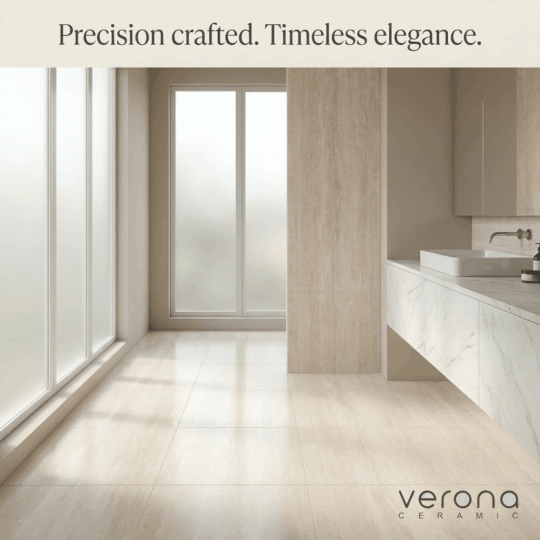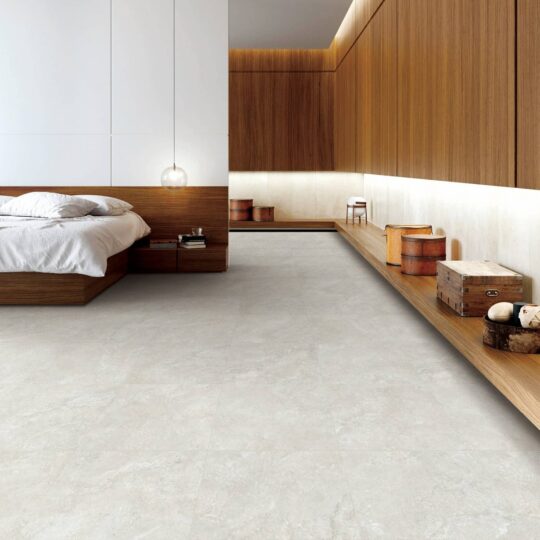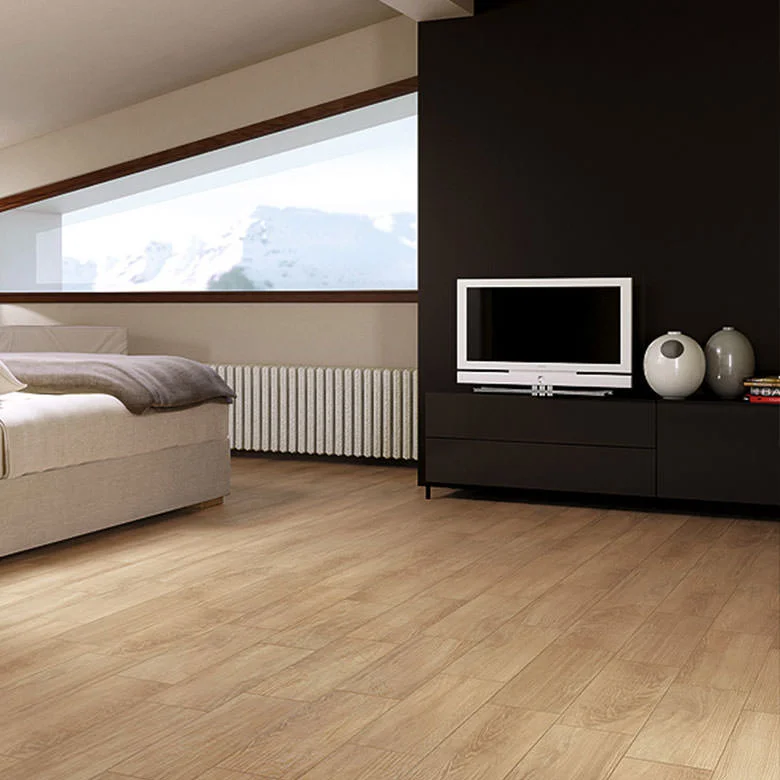
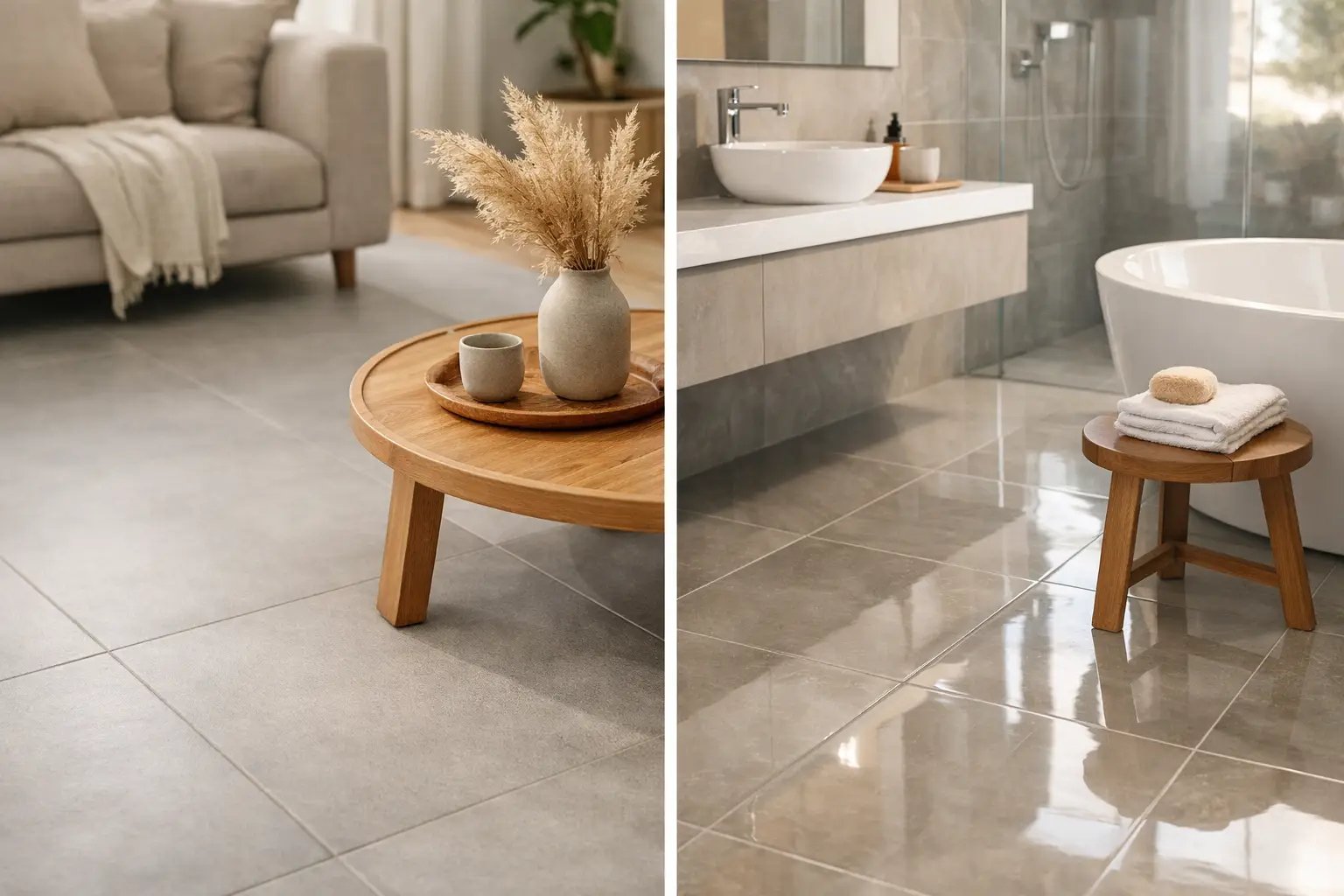
A tile sample can look completely different at home than it does under showroom lighting. Gloss may catch the morning sun beautifully, while a matte surface can bring a calm, architectural feel to the same room. When comparing matte tiles vs gloss tiles, the best choice is not simply about which finish looks better. It is about how the room is used, the natural light available, the level of cleaning you are comfortable with and the look you want to enjoy for years.
For Melbourne homes, where bathrooms, kitchens and open-plan living zones often flow together, selecting the right finish early can make a renovation feel more considered and easier to maintain.
What creates a matte or gloss tile finish?
Matte and gloss describe the way a tile reflects light. A gloss tile has a smooth, shiny glaze that reflects light clearly, sometimes almost like glass. This creates a brighter appearance and can make compact spaces feel more open.
Matte tiles have a low-sheen surface that diffuses light rather than reflecting it sharply. Their finish can be smooth and refined, softly textured or designed to resemble natural stone, concrete or timber. Quality porcelain matte tiles are particularly popular for contemporary homes because they offer a composed, natural-looking surface with the strength and low porosity porcelain is known for.
The finish does not automatically determine tile quality. Both can be durable premium architectural surfaces when the tile is correctly manufactured, installed and selected for its intended area.
Matte tiles vs gloss tiles: the practical differences
Light, space and visual impact
Gloss tiles reflect light, making them a strong choice for smaller bathrooms, laundries and enclosed powder rooms. A glossy white wall tile can brighten a room with limited daylight, while a gloss splashback brings a crisp, polished finish behind a kitchen benchtop.
That reflection has a trade-off. In rooms with strong sun, downlights or large windows, gloss can produce visible glare and reflections. On large-format floor tiles, it may also draw attention to footprints, water marks and minor variations in the floor beneath.
Matte tiles absorb and soften light. They work especially well in living areas, hallways and generous bathrooms where homeowners want a relaxed, high-end look without a highly reflective surface. A pale matte porcelain tile can still make a room feel light, but with a quieter finish. Darker matte colours can feel sophisticated, although they need considered lighting so the space does not feel closed in.
Cleaning and everyday marks
Both finishes are straightforward to clean when you choose quality porcelain tiles. Regular sweeping or vacuuming, followed by a mop with a pH-neutral cleaner, is usually enough for most indoor floors. Avoid harsh acids, abrasive pads and soap-heavy products that can leave residue.
Gloss surfaces are smooth, so spills and cooking splashes wipe away readily. This is one reason gloss wall tiles remain a practical favourite for kitchen splashbacks and bathroom walls. However, their reflective surface can show water spots, finger marks and streaks more readily, particularly in dark colours.
Matte tiles are often more forgiving visually between cleans. They tend to hide dust, water marks and small smudges better, making them appealing for busy family areas. Textured matte tiles can hold more dirt in their surface texture, though, so they may need a little more attention with a soft brush during deeper cleaning. The key is to distinguish between a smooth matte finish and a heavily textured one.
Slip resistance and safety
A common assumption is that all matte tiles are slip resistant and all gloss tiles are slippery. In practice, slip performance depends on more than shine. It is affected by the tile’s texture, glaze, surface profile and the conditions underfoot, especially when wet.
For bathroom floors, entries, laundries, pool-adjacent spaces and other wet areas, ask for a tile with a suitable slip-resistance classification for the application. In Australia, this may be expressed through wet pendulum ratings, such as P ratings, or other recognised testing information. Your builder, designer or tiler can also help confirm what is appropriate for the room and relevant building requirements.
A smooth gloss tile is generally better reserved for walls or dry, low-risk floor areas. Matte porcelain tiles often provide a more practical starting point for bathroom and kitchen floors, but the product specification matters more than the label alone. This is especially important in homes with young children, older family members or frequent wet-weather foot traffic.
Durability and wear
Porcelain tiles are a dependable option for everyday living because they are dense, durable and resistant to moisture. For floors, consider the tile’s suitability for foot traffic as well as its finish. A PEI wear rating can be useful for glazed tiles, indicating how well the surface handles abrasion in different settings.
Matte finishes can be very effective at disguising light surface wear in busy zones. Gloss finishes may reveal scratches more easily when used on floors, particularly in areas where grit is carried in from outside. A good entry mat, regular sweeping and suitable furniture protection will extend the appearance of either finish.
Choosing the right finish for each room
Bathrooms and laundries
Matte porcelain floor tiles are often the more practical choice for bathrooms and laundries, particularly when a slip-resistant finish is required. They create a calm, spa-like look and are less likely to show water spotting after every shower.
Gloss tiles are excellent for bathroom walls. They bounce light around smaller spaces, are easy to wipe clean and can make a shower niche or feature wall feel more luxurious. Using matte tiles on the floor and gloss tiles on the wall creates contrast without introducing competing colours.
Kitchens
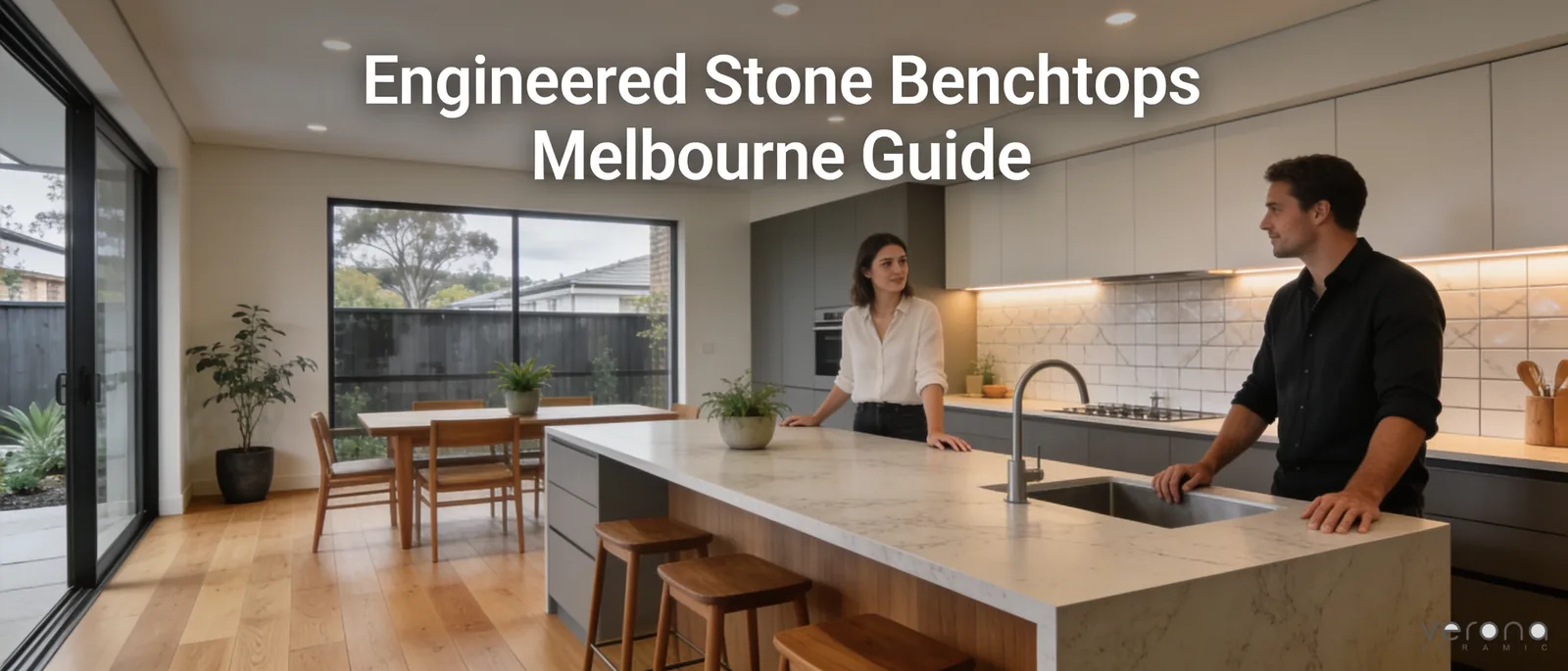
For kitchen floors, matte porcelain tiles balance durability with everyday practicality. They suit active family kitchens, conceal minor marks well and pair beautifully with timber joinery, stone-look surfaces and zero-silica engineered stone benchtops.
For splashbacks, gloss tiles offer an easy-clean surface and a bright finish. Subway tiles, square tiles and handmade-look gloss tiles can bring depth through their reflected light. If a more restrained, contemporary kitchen is the goal, a smooth matte splashback can also work well, especially with large-format tiles and minimal grout joints.
Living areas, hallways and open-plan homes
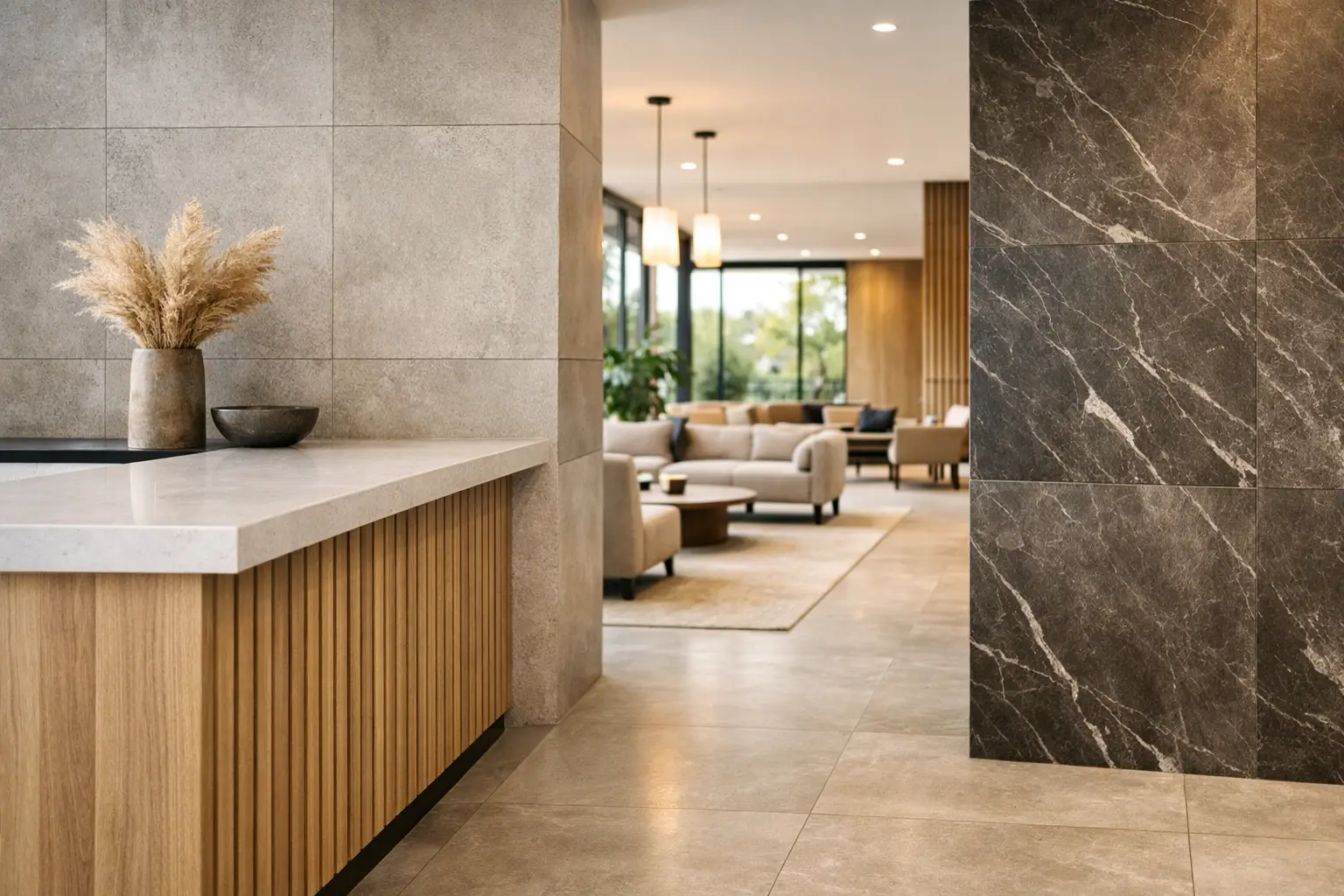
Matte is usually the leading choice for large floor areas. It delivers visual continuity, handles changing daylight gracefully and supports the natural stone or concrete-look styles often used in modern renovations. Large-format matte tiles can reduce grout lines and create an expansive feel, provided the subfloor is properly prepared for installation.
Gloss floor tiles can suit formal, light-filled interiors where a polished appearance is the priority. They need more regular attention to keep their reflective surface looking its best, so they are often better suited to lower-traffic spaces than family living zones.
Feature walls and small spaces
A gloss feature wall can give a small bathroom, ensuite or laundry immediate brightness. It is also a useful option where there is limited natural light. Matte wall tiles bring a softer result and are ideal for earthy, stone-look or minimalist schemes where texture and colour variation are the focus.
Technical details to check beyond the finish
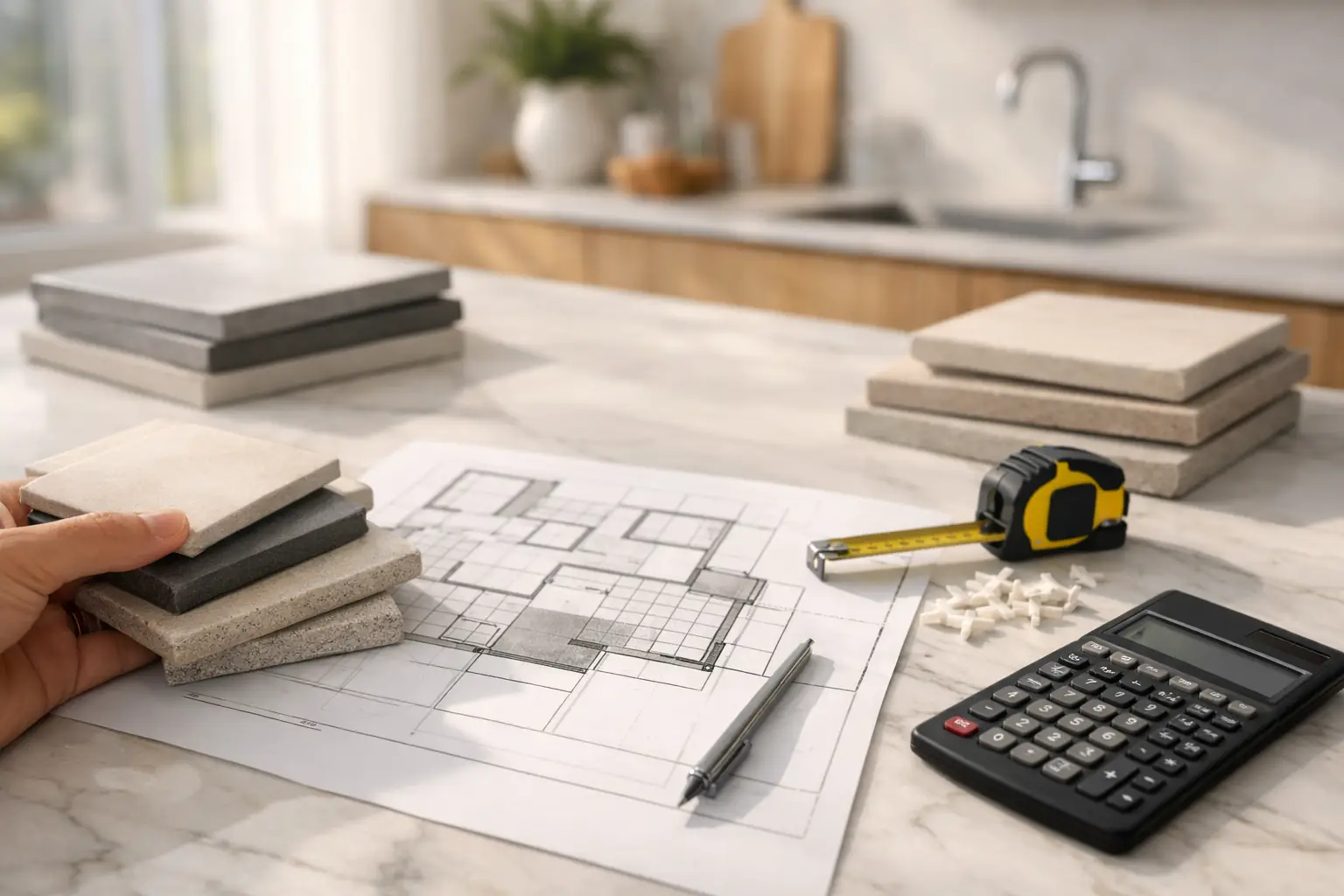
The finish is only one part of a sound tile decision. Check the tile’s material, size, thickness, suitability for walls or floors, slip rating where relevant and expected traffic level. For rectified tiles, which have precisely finished edges, discuss the recommended grout joint with your tiler. A narrow grout line can look refined, but installation still requires appropriate allowances for movement and tile variation.
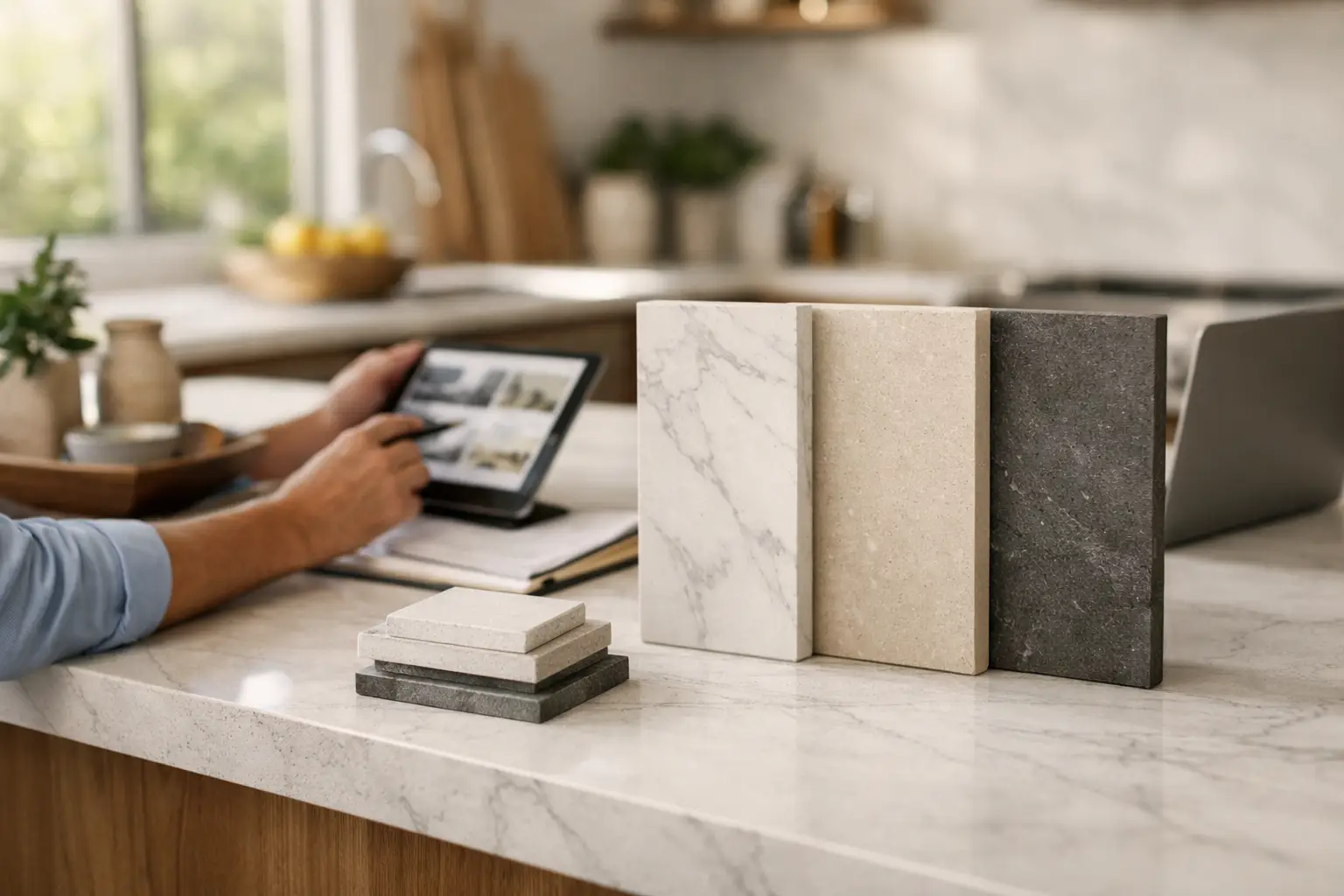
Also view your preferred tiles in the actual room where possible. Hold samples vertically for walls and lay them flat for floors. Look at them in morning, afternoon and artificial light. If you are selecting a tile with movement, veining or shade variation, inspect multiple pieces rather than relying on one sample.
For larger renovations, it is sensible to confirm stock availability before finalising a selection. Ready stock tiles from a local Melbourne warehouse can help keep a project moving when trade schedules are already booked, while allowing you to purchase enough from the same batch for a consistent result.
Create a finish scheme that feels intentional
You do not have to choose one finish for the entire home. In fact, combining finishes is often the most practical approach. Matte floor tiles with gloss wall tiles suit many bathrooms; a matte kitchen floor with a gloss splashback is equally timeless. Keeping the colour family consistent lets the change in sheen add interest without making the room feel busy.
If you are weighing two options, prioritise how the space needs to perform on an ordinary weekday, not only how it looks in a styled photo. The right tile finish should support beautiful daily living, feel comfortable underfoot and continue to suit your home long after the renovation is complete.