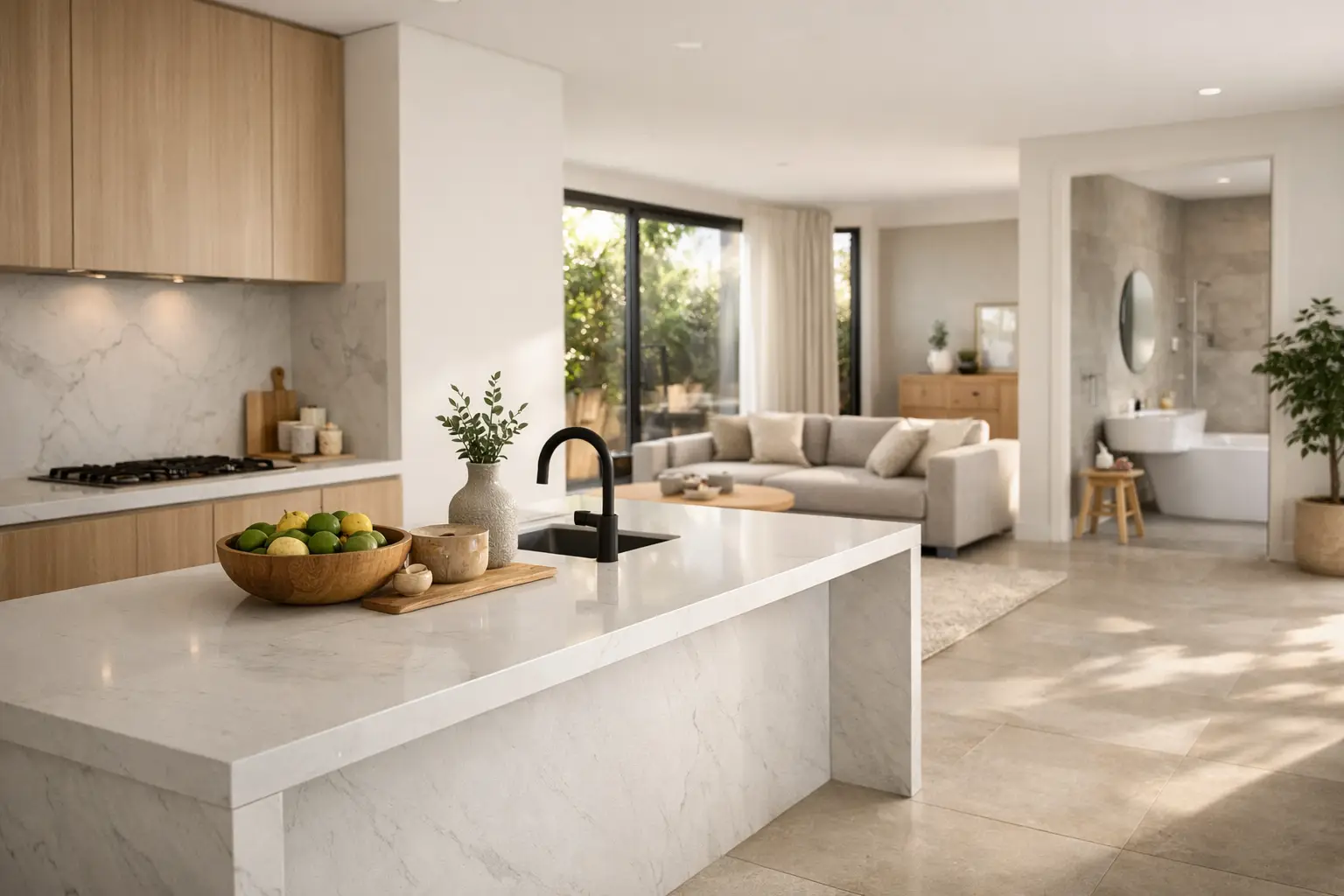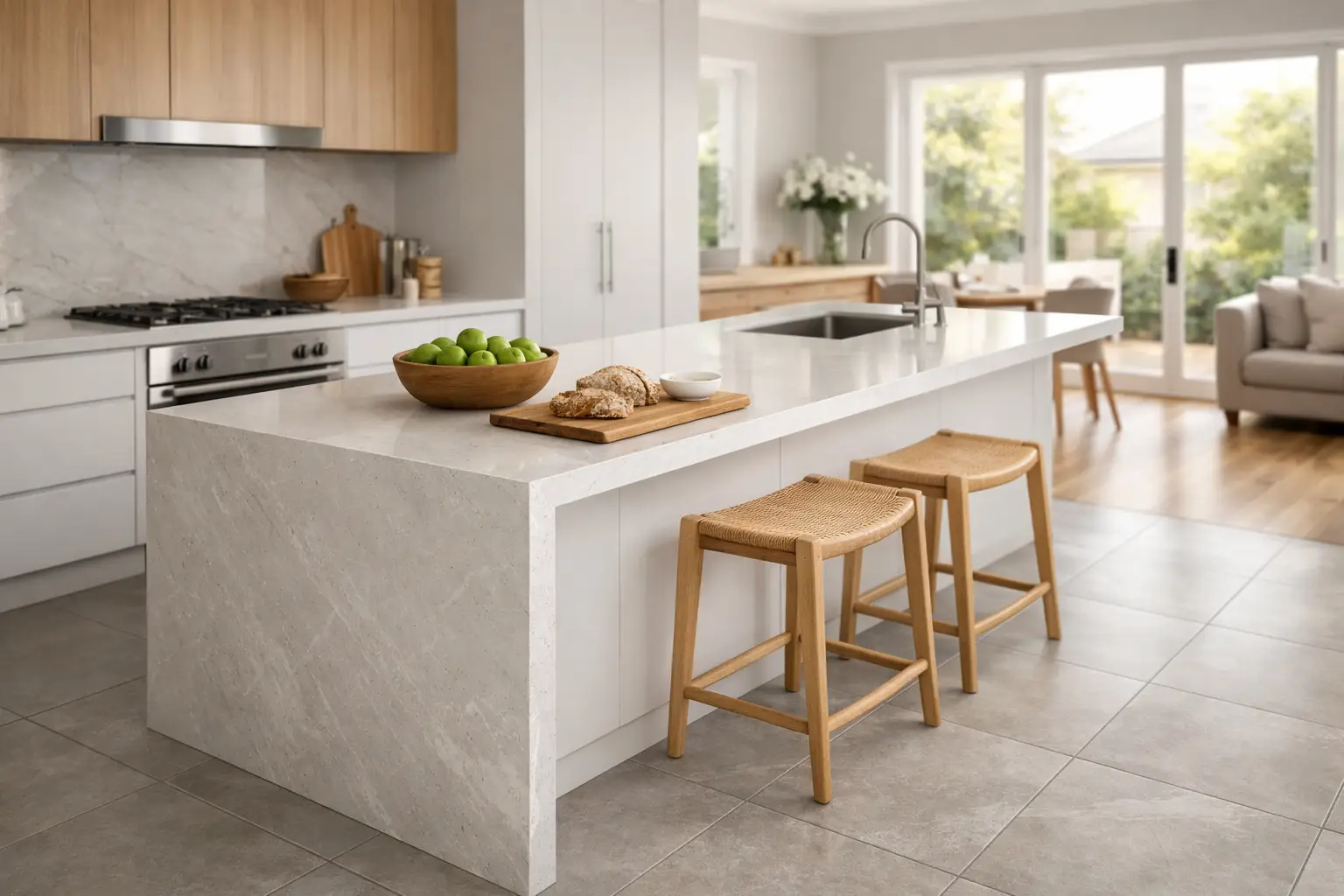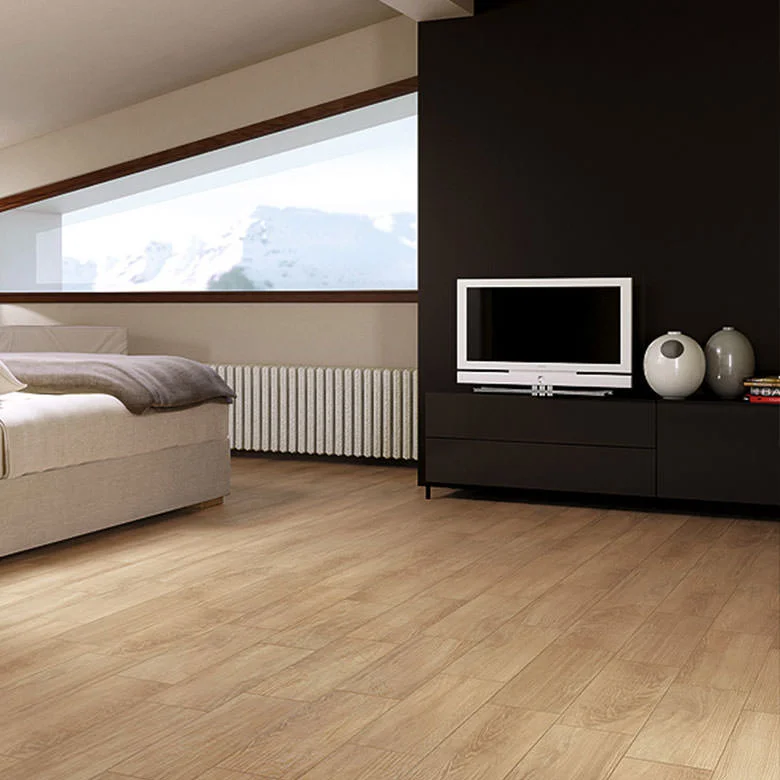
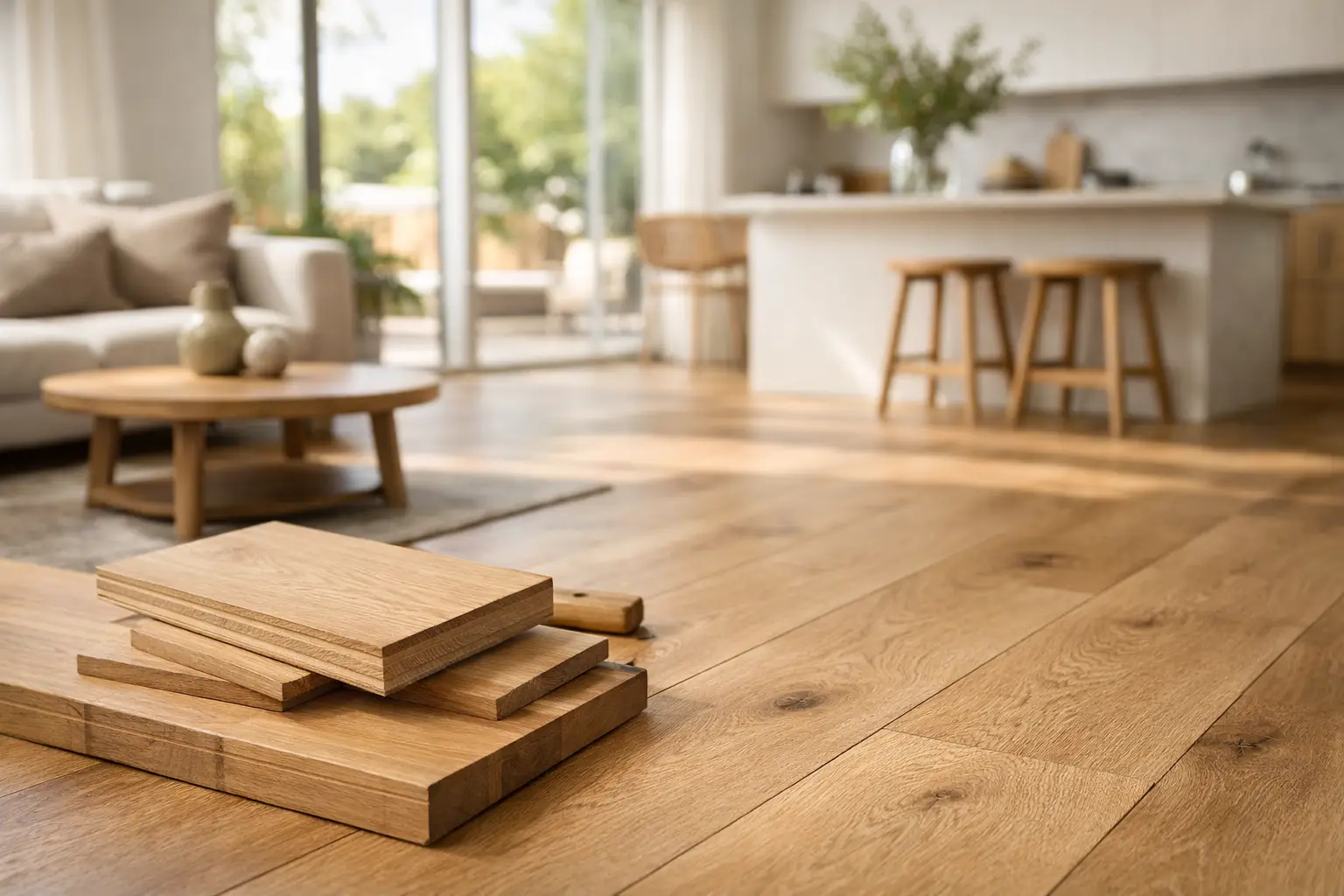
A timber floor changes more than the colour of a room. It softens the acoustics, adds warmth underfoot and gives a renovation a natural material that ages with character. Engineered oak timber flooring is a popular choice for homeowners who want the look and feel of real oak with a construction designed for modern homes, including larger open-plan spaces and concrete slabs.
For a successful result, the decision should go beyond choosing a pale, mid-tone or dark board. The oak layer, board structure, finish, installation method and conditions on site all affect how the floor performs over time. Here is what to consider before making it part of your renovation specification.
What engineered oak timber flooring is made from
Engineered oak is genuine timber flooring. Its top surface is a veneer of real oak, usually bonded to a stable multi-layer timber or plywood core. This differs from solid oak boards, which are made from one piece of timber through their full thickness.
That layered construction gives engineered boards better dimensional stability than solid timber in many residential settings. Timber naturally responds to changes in temperature and humidity, expanding and contracting as conditions change. A quality engineered core helps reduce that movement, making it a practical option for Melbourne homes where heated interiors, cooling systems and seasonal shifts can all influence indoor conditions.
The thickness of the oak wear layer matters. A thicker veneer generally provides more scope for future light sanding and refinishing, subject to the product manufacturer’s advice and the condition of the floor. It also gives the board a more substantial timber appearance. A thinner veneer can still be suitable for low-traffic rooms, but it should be selected with realistic expectations about long-term maintenance.
Why oak remains a favourite for family homes
Oak has a balanced grain pattern that suits both contemporary and classic interiors. It is expressive without being overly busy, so it works well alongside stone-look porcelain, matte cabinetry and architectural finishes. Natural variation between boards is part of the appeal. Knots, grain movement and small shifts in tone make the finished floor feel considered rather than manufactured.
For busy households, the right finish is often more important than choosing the lightest or darkest colour. A matte or low-sheen surface tends to disguise fine scratches, dust and everyday marks better than a high-gloss finish. Brushed oak, where the softer grain is gently textured, can also add visual depth and a more forgiving surface under daily use.
Lighter oaks can make compact rooms feel open and work beautifully with warm whites, soft greys and natural stone colours. Mid-tone oaks bring warmth to larger areas and are often easier to live with than very pale or very dark boards. Dark timber can look striking, though it may show dust, pet hair and scratches more readily. The best choice depends on natural light, the size of the room and how the household actually lives.
Board width and layout change the overall effect
Wide boards create a calm, premium look with fewer joins across the floor. They suit open-plan living zones, long hallways and custom-built homes where the floor is intended to be a key architectural feature. Narrower boards can be a strong fit for heritage-inspired renovations or smaller spaces, where their repeated pattern adds detail without overwhelming the room.
The direction of the boards is equally important. Running boards towards the main source of light or along the longest line of a room can make the area feel more spacious. For connected living areas, a continuous direction across rooms creates a more settled visual flow. This is worth confirming early, particularly where the timber meets large-format porcelain tiles at an entry, laundry or bathroom threshold.
Choosing the right finish and colour
Most engineered oak boards are finished with either a polyurethane lacquer or oil-based coating. Both can perform well, but they behave differently in use.
A quality lacquered finish forms a protective surface over the timber. It is generally straightforward to clean and suits families looking for a practical, low-maintenance floor. It is a sensible option for living rooms, bedrooms and hallways, provided spills are wiped promptly.
An oiled finish soaks into the timber and produces a natural, tactile appearance. It can be easier to repair in small localised areas than some lacquered surfaces, but it usually requires more regular maintenance with the correct care products. It is ideal for homeowners who value the look and are comfortable following a maintenance routine.
Samples should always be viewed in the actual home, not only under showroom lighting. Oak can look quite different beside north-facing windows, under warm downlights or next to a kitchen benchtop. Place a sample beside cabinetry, wall paint and tile selections, then look at it morning and evening before committing.
Installation is where lasting performance begins
A beautiful board cannot compensate for poor site preparation. Before installation, the subfloor must be assessed for level, moisture and structural soundness. This is particularly important over concrete, where excess moisture can affect adhesives and timber over time.
Engineered oak can be installed as a floating floor in some systems, or it can be fully glued down. Floating installation is often quicker and may be suitable for certain products and subfloors. Fully adhered boards can provide a more solid feel underfoot and may reduce the hollow sound sometimes associated with floating floors. The right method depends on the product, the existing floor, acoustic requirements and the installer’s assessment.
Allowing the boards to acclimatise according to the supplier’s instructions is also essential. Flooring should not be brought into a building that is still excessively damp, unheated or undergoing plastering and painting. Wet trades need to be complete, windows and doors installed, and the interior environment reasonably stable before timber flooring is laid.
An experienced installer should leave appropriate expansion gaps around walls, cabinetry and fixed elements. Timber floors need room to respond to normal seasonal movement. Skirting boards, trims and transitions should cover these gaps without pinning the floor in place.
Where timber belongs, and where tiles are the better choice
Engineered oak is well suited to bedrooms, lounges, dining rooms, home offices and many open-plan living areas. It brings comfort and visual warmth to the spaces where people spend most of their time.
For bathrooms, laundries and other wet areas, porcelain tiles are generally the more dependable surface. They handle regular moisture, splashes and cleaning far better than timber. In kitchens, engineered oak can work well when spills are cleaned quickly, but porcelain is often preferred around high-water-use zones or in homes where maximum ease of cleaning is the priority.
A considered combination can be highly effective: timber through living spaces, with durable matte porcelain tiles at entrances, wet areas and around outdoor transitions. The join between materials should be planned before installation so finished heights, movement allowances and trim details are clean and safe.
Everyday care that protects the timber surface
Engineered oak is durable, but it is not maintenance-free. Regular dry sweeping or vacuuming with a hard-floor setting removes grit that can wear the finish. Use a well-wrung microfibre mop and a cleaner approved for the specific coating. Excess water should never be left on a timber floor.
Felt pads beneath chairs and tables, mats at external doors and timely attention to spills make a real difference. Avoid steam mops, abrasive scrubbers and harsh chemical cleaners, as these can damage the protective coating or leave residue behind. If you have pets, keeping nails trimmed helps reduce surface marking.
Sunlight can also change the colour of natural oak over time. Rugs and furniture may create lighter areas beneath them, especially in the first months after installation. Moving rugs occasionally and using suitable window coverings in intense sun can help the floor age more evenly.
Questions to ask before ordering
Ask for the total board thickness, oak wear-layer thickness, core material and finish type. Confirm whether the product is suitable for your subfloor and the proposed installation method. It is also wise to ask about lead times, matching trims, warranty conditions and recommended cleaning products before work begins.
For renovation projects, coordinate flooring selections with cabinetry, tiles and benchtops early. This avoids rushed colour decisions and helps ensure transitions are planned properly. Checking stock availability before booking installers can also prevent unnecessary disruption to the building schedule.
Engineered oak is an enduring choice when it is selected for the way your home is used, not simply for the way it looks in a sample board. Take time to compare finishes, view samples in your own light and engage a qualified installer. The result can be a warm, practical floor that feels right for everyday family life for many years to come.